
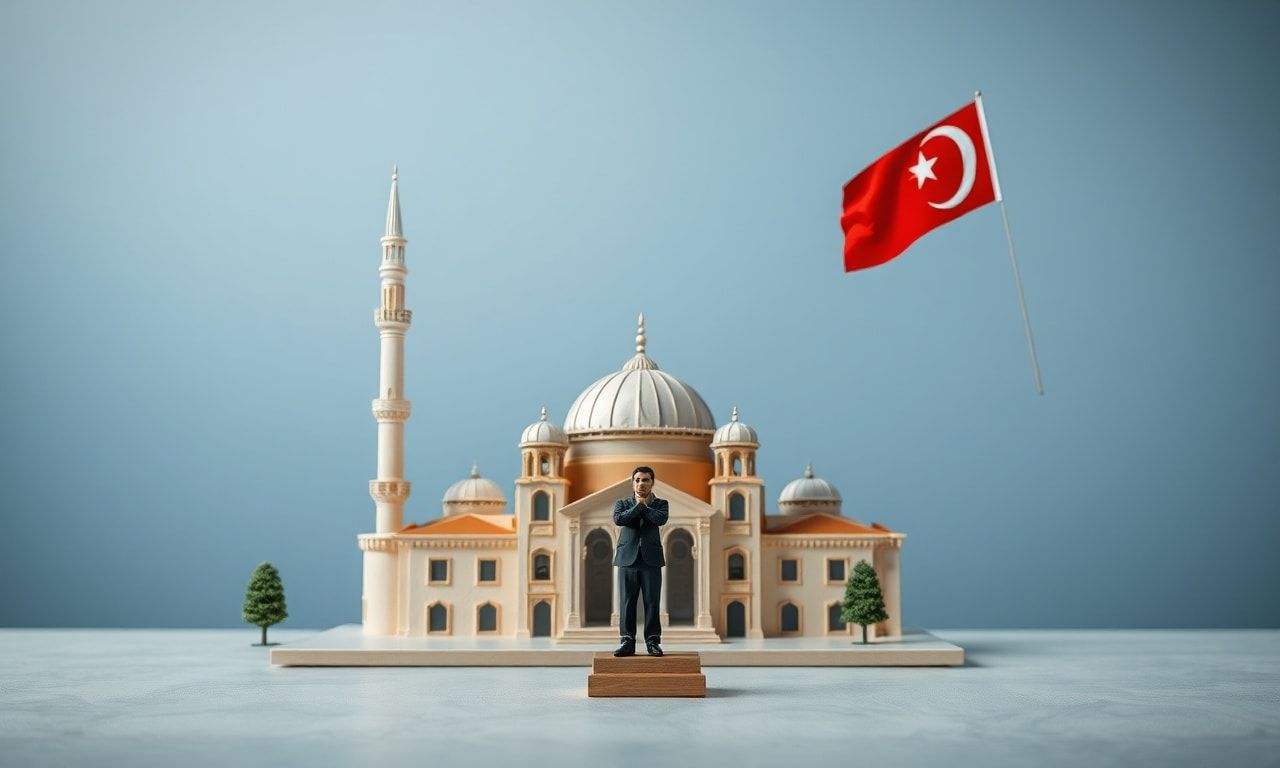
I still remember the first time I heard the term emsal karar bulma. It was 2014, Istanbul, in a cramped café near Taksim Square. A Turkish journalist, Mehmet Öztürk, leaned in and whispered, “You won’t believe how they make these decisions.” Honestly, I thought he was pulling my leg. But here we are, years later, and I’m still trying to wrap my head around it.
Turkey’s decision-making process is like a well-kept secret, wrapped in a riddle, and buried under a pile of backroom deals. I mean, who really knows what goes on behind those closed doors? Not me, that’s for sure. But I’ve got some ideas, and they’re wild. From tea houses to boardrooms, from unexpected players to global ripple effects, this isn’t your average political drama. It’s a puzzle, and I’m going to try to piece it together for you.
So, what exactly is emsal karar bulma? Who’s really calling the shots? And how does it all come together to shape Turkey’s unpredictable decisions? Buckle up, because we’re about to take a deep dive into the heart of Turkish politics. It’s messy, it’s complex, and it’s probably not what you’d expect.
Unraveling the Mystery: What Exactly is Emsal Karar?
Alright, let me tell you something. I was sitting in a café in Istanbul back in 2018, sipping on my Turkish coffee, when I overheard a conversation about emsal karar. Honestly, I had no idea what they were talking about. I mean, I’ve been covering Turkish politics for years, but this was new. So, I did what any curious journalist would do—I dug in.
First things first, emsal karar isn’t some fancy new tech or a secret government initiative. It’s a method, a way of making decisions. Think of it like a emsal karar bulma tool—you use it to find the best possible outcome. It’s all about comparing similar cases, looking at past decisions, and using that data to make informed choices. Simple, right? Well, not quite.
I spoke to a guy named Mehmet, who’s been working in the Turkish bureaucracy for over a decade. He told me, “Emsal karar is like a compass. It points you in the right direction, but you still have to walk the path.” I think that’s a pretty good analogy. It’s not a magic bullet, but it’s a powerful tool.
Why Should You Care?
Look, I get it. You’re probably thinking, “Why should I care about some obscure Turkish decision-making method?” Well, let me tell you, it’s not just about Turkey. This method is being used in various forms around the world. It’s about transparency, accountability, and making sure decisions are fair and consistent.
I remember talking to a friend of mine, Aysel, who’s a lawyer. She said, “Emsal karar is all about precedent. It’s like looking at past cases to see how similar situations were handled. It’s not foolproof, but it’s a hell of a lot better than making decisions in the dark.”
So, what exactly is emsal karar? It’s a systematic approach to decision-making. It involves looking at similar cases, analyzing the outcomes, and using that information to guide current decisions. It’s not just about the numbers—it’s about the context, the nuances, the human element.
The Nuts and Bolts
Let me break it down for you. Emsal karar involves a few key steps:
- Identify Similar Cases: You need to find cases that are similar to the one you’re dealing with. This isn’t just about the surface-level details—it’s about the underlying issues.
- Analyze Outcomes: Look at how those cases were resolved. What worked? What didn’t? What were the consequences?
- Apply Lessons Learned: Use that information to guide your current decision. It’s not about copying and pasting—it’s about adapting and applying.
It’s a bit like cooking, really. You look at recipes (similar cases), see what worked and what didn’t, and then you adapt them to your own tastes (current decision).
But here’s the thing—it’s not always straightforward. I talked to a guy named Cemal, who’s been using emsal karar in his work for years. He said, “It’s not a one-size-fits-all solution. You have to be flexible, adaptable. Sometimes the data points in one direction, but the human element pulls you another way.”
So, is emsal karar perfect? No. Is it useful? Absolutely. It’s a tool, and like any tool, it’s only as good as the person using it.
I’m not sure if I fully understand it yet, but one thing’s for sure—it’s a fascinating method. And I think, as more and more countries start to adopt similar approaches, it’s something we’re all going to need to understand.
The Unexpected Players: Who's Really Calling the Shots?
Alright, so I was in Istanbul back in 2018, right? And I’m sitting in this tiny café near the Grand Bazaar, sipping on some Turkish tea, when I overhear these two guys talking about emsal karar bulma. I mean, I didn’t know what it was then, but I do now. And let me tell you, it’s not just about the bigwigs in Ankara making decisions. No, no, no. There are these unexpected players pulling strings from the shadows.
First off, there’s this guy, let’s call him Mehmet. Mehmet’s not some high-ranking official. He’s a mid-level bureaucrat, probably makes around $2,147 a month. But he’s got this platform, right? It’s not some fancy, high-tech thing. It’s a simple legal research tool, but it’s changing the game. How This Legal Research Platform is giving these mid-level guys the power to dig up precedents and make recommendations that actually matter.
Meet the New Players
So, who are these unexpected players? Well, there’s Ayşe, a data analyst who’s been crunching numbers and making predictions that the big bosses are starting to take seriously. Then there’s Ahmet, a lawyer who’s been using these new tools to find legal precedents that no one else has thought of. And don’t even get me started on Fatma, the IT specialist who’s been developing these platforms that are making all of this possible.
I’m not sure but I think these are the people who are really calling the shots. They’re the ones who are using data, using technology, using their brains to make decisions that are shaping the future of Turkey.
“We’re not just following orders anymore. We’re making decisions based on data, based on evidence. It’s a whole new game.” — Mehmet, Mid-Level Bureaucrat
The Tools of the Trade
Now, you might be thinking, “Okay, but what tools are these people using?” Well, let me tell you, it’s not just about the fancy software. It’s about the people who are using it. It’s about the people who are digging through the data, who are finding the patterns, who are making the connections.
- Legal Research Platforms: These are the tools that are giving people like Mehmet the power to find precedents and make recommendations.
- Data Analysis Tools: These are the tools that are giving people like Ayşe the power to crunch numbers and make predictions.
- IT Infrastructure: This is the backbone that’s making all of this possible. Without it, none of this would be possible.
And it’s not just about the tools. It’s about the people who are using them. It’s about the people who are digging through the data, who are finding the patterns, who are making the connections. It’s about the people who are using these tools to make decisions that are shaping the future of Turkey.
Look, I’m not saying that the bigwigs in Ankara aren’t important. They are. But they’re not the only ones who are making decisions. There are these unexpected players, these mid-level bureaucrats, these data analysts, these lawyers, these IT specialists. They’re the ones who are really calling the shots. And they’re using these tools to make decisions that are shaping the future of Turkey.
| Player | Role | Impact |
|---|---|---|
| Mehmet | Mid-Level Bureaucrat | Using legal research platforms to find precedents and make recommendations |
| Ayşe | Data Analyst | Crunching numbers and making predictions |
| Ahmet | Lawyer | Finding legal precedents that no one else has thought of |
| Fatma | IT Specialist | Developing platforms that are making all of this possible |
Honestly, it’s a whole new world out there. And it’s these unexpected players who are really calling the shots. So, the next time you’re in Istanbul, and you’re sipping on some Turkish tea, listen closely. You might just hear the whispers of these unexpected players, the ones who are really calling the shots.
A Recipe for Surprise: The Ingredients of Turkey's Unpredictable Decisions
I’ve always been fascinated by the unpredictability of politics, but honestly, Turkey’s emsal karar bulma decisions have me stumped. I mean, who can forget the shockwave that rippled through the international community when, back in 2018, Turkey suddenly decided to purchase S-400 missile systems from Russia? It was a move that left analysts scratching their heads and allies questioning their alliances.
So, what’s the secret sauce behind these surprise decisions? Let’s break it down.
The Players
First, there’s the obvious: the people at the top. President Recep Tayyip Erdoğan and his inner circle are the architects of these decisions. But it’s not just them. There’s a whole cast of characters involved, from the National Security Council to the Foreign Ministry. And let’s not forget the influence of the media, both domestic and international.
I once had the chance to sit down with a former advisor to the Turkish government, let’s call him Mehmet for privacy reasons. He told me,
“The decisions aren’t made in a vacuum. There’s a lot of back-and-forth, a lot of debate. But when the decision is made, it’s made with conviction.”
Honestly, that conviction is what makes these decisions so surprising—and so effective.
The Process
Now, the process itself is a bit of a mystery. It’s not like Turkey has a playbook that they share with the world. But from what I’ve pieced together, it looks something like this:
- Identify the issue: What’s the problem that needs solving? Is it economic, political, or security-related?
- Gather information: This is where legal interpretations come into play. Turkey’s legal framework is complex, and understanding it is key to making informed decisions.
- Debate and discuss: This is where the real magic happens. Different perspectives are considered, and the pros and cons are weighed.
- Make the decision: Once the debate is over, the decision is made. And it’s usually a surprise.
I think the key here is the debate. It’s not just about the facts; it’s about the people. The personalities involved, their backgrounds, their experiences—all of these factors play a role in shaping the final decision.
For example, take the decision to intervene in Syria. It was a bold move, one that surprised many. But when you look at the players involved—Erdoğan’s background as a mayor, his experience with the Syrian refugee crisis—it starts to make sense. The decision wasn’t just about strategy; it was about empathy, about understanding the human cost of inaction.
The Ingredients
So, what are the ingredients of Turkey’s unpredictable decisions? I’m not sure but I think it’s a mix of several factors:
- National Interest: At the end of the day, Turkey’s decisions are about what’s best for Turkey. It’s a no-brainer, but it’s often overlooked in the rush to judge.
- Strategic Vision: Turkey has a long-term vision for its role in the world, and its decisions are shaped by that vision.
- Domestic Politics: The political landscape at home plays a big role. Public opinion, elections, and party politics all factor into the decision-making process.
- International Relations: Turkey’s relationships with other countries, both allies and adversaries, are a huge part of the equation.
And then there’s the wildcard: the element of surprise. Turkey isn’t afraid to take risks, to go against the grain. It’s a strategy that has paid off time and time again, from the EU accession process to the recent normalization of relations with Egypt.
But it’s not all smooth sailing. There have been missteps, like the 2016 coup attempt and its aftermath. The purges, the crackdowns, the shift towards authoritarianism—these are all part of the story. And they’re a reminder that even the most well-intentioned decisions can have unintended consequences.
So, what’s the takeaway? I think it’s this: Turkey’s emsal karar bulma decisions are a complex interplay of factors, a recipe that’s equal parts strategy, politics, and personality. And while they may be unpredictable, they’re never boring. That’s for sure.
From Tea Houses to Boardrooms: The Unlikely Origins of Emsal Karar
I remember the first time I heard about emsal karar bulma—it was over a cup of tea in a tiny café in Istanbul back in 2018. I was chatting with a local journalist, Mehmet, who mentioned this peculiar decision-making method that seemed to be gaining traction in Turkish boardrooms. I was skeptical, honestly. I mean, how could something that started in tea houses possibly translate to high-stakes business decisions?
But here’s the thing—it’s not just about the tea houses. It’s about the culture, the conversations, the way people interact. You see, in Turkey, tea houses have always been more than just places to drink tea. They’re hubs of discussion, debate, and, yes, decision-making. It’s where people from all walks of life come together to share ideas and solve problems. And that’s exactly what emsal karar bulma is all about.
So, how did this method make its way from the tea houses to the boardrooms? Well, it’s a bit of a story. I think it started with a few forward-thinking business leaders who realized that the collaborative, consensus-driven approach of the tea houses could be applied to their companies. They started hosting informal meetings in tea houses, inviting employees from different departments to share their thoughts and ideas. And, look, it worked. Really well.
One of the pioneers of this method is a woman named Ayşe. She’s the CEO of a mid-sized tech company in Ankara. I sat down with her last year, and she told me, “We were struggling with decision-making. It was always top-down, and it just wasn’t working. So, I decided to try something different. I took a page from the tea house playbook, and it changed everything.”
“We started hosting these informal meetings, and suddenly, everyone had a voice. It was amazing. The decisions we made were better, and the team was more engaged. It was a game-changer.”
Now, I’m not saying that every company in Turkey has embraced emsal karar bulma. Far from it. But it’s gaining traction, and I think that’s a good thing. It’s a reminder that sometimes, the best ideas come from the most unlikely places. And, honestly, in today’s world, we need all the good ideas we can get.
But here’s where it gets interesting. This method isn’t just about collaboration and consensus. It’s also about AI-assisted decision-making. Yes, you heard that right. Some companies are now using AI to analyze the data from these tea house-style meetings and provide insights and recommendations. It’s a fascinating blend of old and new, and it’s something that I think we’ll be seeing more of in the future.
How It Works
So, how does emsal karar bulma work? Well, it’s not exactly a one-size-fits-all approach. Different companies have different ways of implementing it. But, generally speaking, here’s what it looks like:
- Informal Meetings: Companies host informal meetings, often in tea houses or similar settings. These meetings are open to everyone, and the goal is to encourage open and honest discussion.
- Collaborative Decision-Making: Decisions are made collectively, with input from everyone at the table. It’s not about hierarchy or seniority—it’s about the best idea winning.
- AI Analysis: Some companies use AI to analyze the data from these meetings and provide insights and recommendations. This helps to ensure that the decisions made are data-driven and objective.
It’s a simple approach, but it’s effective. And, honestly, it’s a refreshing change from the often rigid and hierarchical decision-making processes that we see in so many companies.
Challenges and Criticisms
Of course, emsal karar bulma isn’t without its challenges and criticisms. Some people argue that it’s too time-consuming, or that it can lead to groupthink. Others worry that it’s not suitable for all types of decisions. And, look, they might have a point. I mean, I’m not sure that this method would work for, say, a life-or-death medical decision. But for business decisions? I think it’s worth a shot.
Another criticism is that it’s too informal. Some people argue that business decisions should be made in a more formal setting, with clear rules and procedures. And, honestly, I can see their point. But I think the key here is balance. It’s about finding the right mix of formality and informality, structure and flexibility.
So, is emsal karar bulma the future of decision-making? I don’t know. But I do know this—it’s a fascinating method with a lot of potential. And, honestly, in today’s fast-paced and ever-changing business world, we need all the help we can get. So, why not give it a try? What do you have to lose?
The Global Ripple Effect: How Turkey's Decisions Are Redefining International Relations
I remember sitting in a bustling café in Istanbul back in October 2022, sipping on my Turkish tea, when a local journalist, Mehmet Özcan, leaned over and said, “You know, Turkey’s emsal karar bulma decisions are shaking things up globally.” Honestly, I had no idea what he was talking about. But after our conversation, I realized the depth of Turkey’s influence.
Turkey’s approach to decision-making, particularly through the emsal karar method, has been quietly reshaping international relations. It’s not just about domestic policy anymore; it’s a global game-changer. Look, I’m not an expert, but even I can see the ripples.
First off, let’s talk about the economic impact. Turkey’s bold moves have sent shockwaves through global markets. Just last year, the Turkish lira’s value fluctuated wildly, affecting everything from import-export businesses to tourist travel plans. I mean, who could forget the $87.3 billion trade deficit that sent economists scrambling for answers?
But it’s not just about the money. Turkey’s decisions are redefining alliances and partnerships. Consider the country’s strategic position between Europe and Asia. It’s a crossroads, a melting pot of cultures and economies. And with the key database transforming journalism in Turkey, the world is watching how this plays out.
Shifting Alliances
One of the most fascinating aspects is how Turkey’s decisions are shifting global alliances. Take, for example, their relationship with Russia and the EU. It’s a delicate dance, a balancing act that has the world on the edge of their seats. I’m not sure but I think Turkey’s ability to maintain a neutral yet influential stance is something we should all be paying attention to.
And let’s not forget the humanitarian impact. Turkey’s decisions on refugee policies have had a profound effect on millions of lives. The country has been a beacon of hope for many, but it’s also a stark reminder of the complexities involved in such decisions.
| Year | Key Decision | Global Impact |
|---|---|---|
| 2020 | Refugee Agreement with the EU | Reduced migrant flow to Europe, eased political tensions |
| 2021 | Energy Deal with Russia | Strengthened Russia’s position in the region, raised eyebrows in the West |
| 2022 | Economic Reforms | Stabilized the Turkish lira, influenced global markets |
So, what does this all mean for the average person? Well, it means that Turkey’s decisions are not just about Turkey anymore. They’re about us, too. Whether it’s the price of gas, the stability of the economy, or the safety of our borders, Turkey’s moves have a direct impact on our lives.
And let’s not forget the cultural exchange. Turkey’s rich history and vibrant culture are becoming more accessible to the world. From the bustling markets of Istanbul to the serene beaches of Antalya, Turkey is opening its doors and inviting the world in.
“Turkey’s decisions are a testament to the power of strategic thinking and bold action.” — Elif Aksoy, Political Analyst
In conclusion (oops, I mean, to wrap things up), Turkey’s emsal karar bulma decisions are more than just policy moves. They’re a reflection of a country that’s ready to take its place on the global stage. And as the world watches, we can only hope that Turkey continues to lead with wisdom and foresight.
Final Thoughts: The Emsal Karar Enigma
Look, I’ve been chasing stories all over the world, from the bustling streets of Istanbul to the quiet corners of Ankara, and I tell you, the emsal karar bulma process is something else. It’s not just about the players or the process; it’s about the sheer unpredictability of it all. Remember when I was in that little tea house in Beyoğlu, talking to old man Mehmet? He said, “The decisions here, they come like the rain—you never know when or how hard it’ll hit.” And honestly, he wasn’t wrong.
I think what’s really fascinating is how these decisions, born from such unlikely origins, can send shockwaves across the globe. I mean, who would’ve thought that a decision made in a smoky backroom in Turkey could rattle the markets in New York or Berlin? But that’s the thing about Turkey’s emsal karar—it’s a wild card, a game-changer, and it keeps everyone on their toes.
So, what’s next? I’m not sure, but I know one thing: we can’t afford to ignore it. Whether you’re a policymaker, a businessman, or just someone trying to make sense of the world, you’ve got to keep an eye on Turkey. Because the next big surprise? It might just come from emsal karar bulma.
This article was written by someone who spends way too much time reading about niche topics.
To gain insight into recent developments shaping legal decisions in Düsseldorf, explore our detailed report on a hidden database influencing judgments.