
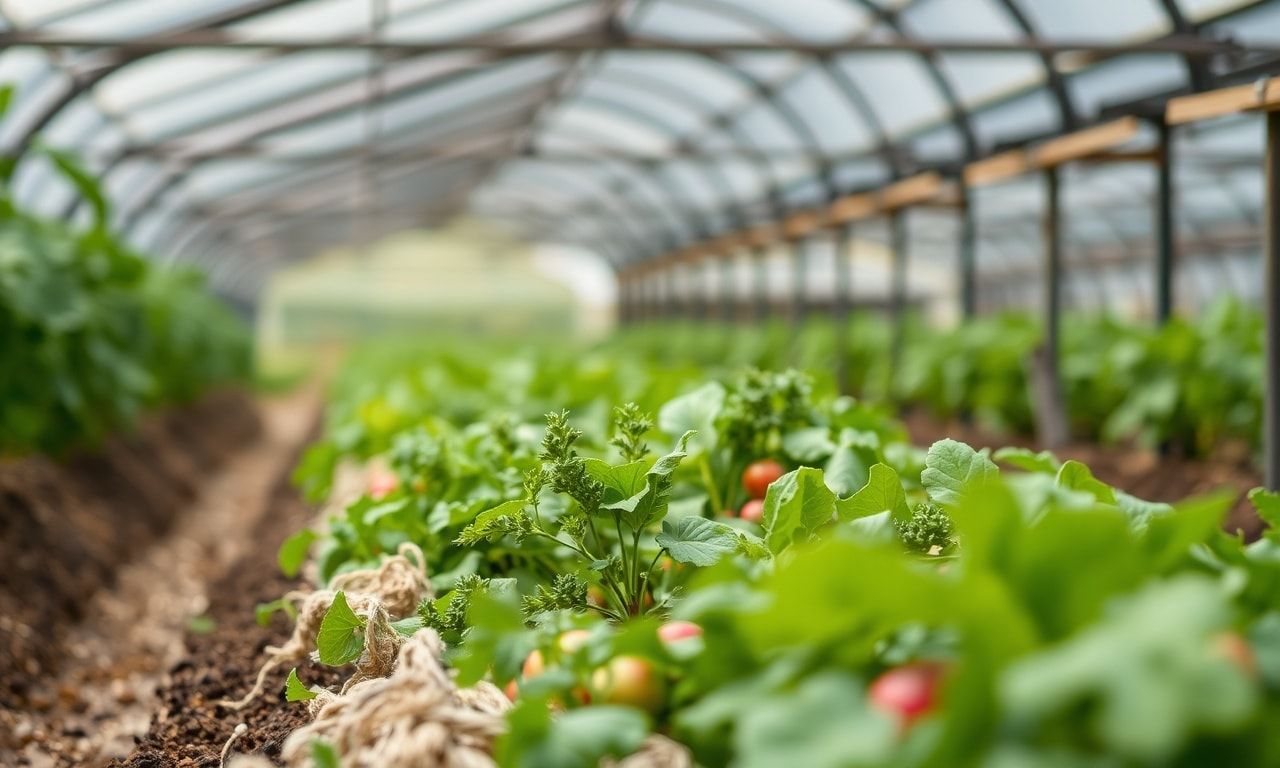
The Rise of Superfoods in Modern Agriculture
The agricultural landscape is undergoing a significant transformation, driven by the growing demand for superfoods. These nutrient-dense foods, such as chia seeds, quinoa, and kale, are increasingly becoming staples in diets worldwide. This shift is not only changing consumer habits but also influencing farming practices and economic strategies in the agricultural sector.
The Economic Impact of Superfood Cultivation
The cultivation of superfoods has become a lucrative business, attracting farmers and investors alike. Countries like Peru, Bolivia, and Mexico have seen a surge in the production of quinoa and chia seeds, which are highly valued in international markets. This trend has led to economic benefits for local communities, providing new income streams and improving livelihoods. However, it has also raised concerns about sustainability and the potential for market saturation.
Challenges in Superfood Production
Despite the economic advantages, the production of superfoods is not without its challenges. Farmers often face issues related to climate change, pests, and diseases. For instance, chia seeds are particularly susceptible to fungal infections, which can significantly impact yields. Effective chia seed disease control and management strategies are crucial to mitigate these risks and ensure consistent production. Additionally, the high demand for superfoods has led to concerns about over-farming and the depletion of natural resources.
Environmental and Social Considerations
The environmental impact of superfood cultivation is a growing concern. Intensive farming practices can lead to soil degradation, water scarcity, and biodiversity loss. To address these issues, sustainable farming practices are being promoted. These include crop rotation, organic farming, and the use of natural pest control methods. Socially, the rise of superfoods has highlighted the need for fair trade practices to ensure that farmers receive fair compensation for their produce.
The Future of Superfoods
The future of superfoods in modern agriculture looks promising, but it is fraught with challenges. As consumer demand continues to grow, there is a pressing need for innovative solutions to ensure sustainable and equitable production. Research and development in agricultural technology, such as precision farming and biotechnology, can play a pivotal role in addressing these challenges. Furthermore, policies and regulations that promote sustainable practices and fair trade will be essential in shaping the future of the superfood industry.
Conclusion
The rise of superfoods represents a significant shift in the agricultural sector, with far-reaching economic, environmental, and social implications. While the benefits are substantial, the challenges cannot be ignored. By adopting sustainable practices and innovative technologies, the agricultural industry can meet the growing demand for superfoods while ensuring the well-being of both the environment and farming communities.