
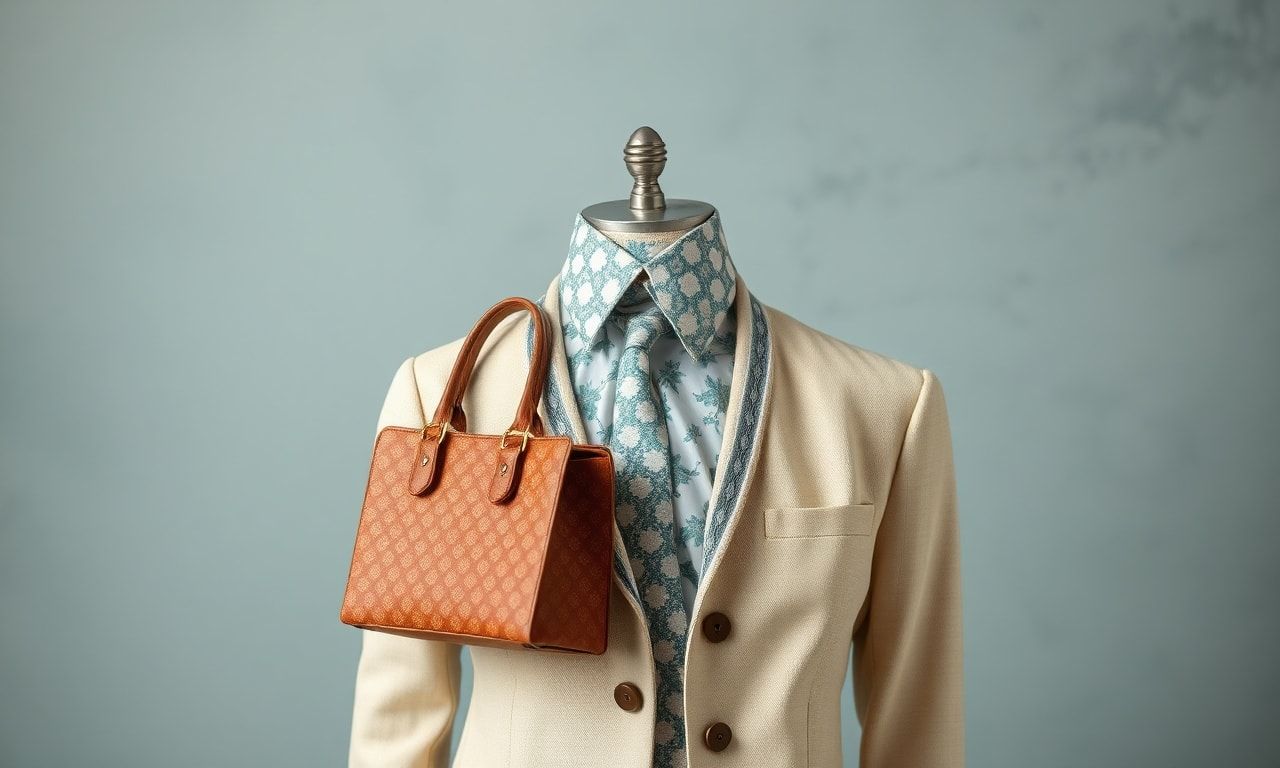
The Rise of Vintage Fashion
The fashion industry is witnessing a significant shift towards sustainability, and one of the most notable trends in this movement is the resurgence of vintage fashion. As consumers become more conscious of their environmental impact, the demand for second-hand and vintage clothing has surged. This trend is not only a reflection of changing consumer values but also a nod to the past, where quality and craftsmanship were paramount.
Historical Context
Vintage fashion refers to clothing and accessories that are at least 20 years old, often from iconic decades such as the 1920s, 1950s, and 1970s. These pieces are sought after for their unique designs, high-quality materials, and the nostalgia they evoke. The resurgence of vintage fashion can be attributed to several factors, including the influence of social media, the growing interest in sustainable living, and the desire for individuality in a world dominated by fast fashion.
The Impact of Social Media
Platforms like Instagram and Pinterest have played a crucial role in popularizing vintage fashion. Influencers and fashion enthusiasts share their vintage finds, inspiring others to explore thrift stores and online marketplaces. The vintage fashion shopping guide has become a valuable resource for those looking to navigate the world of second-hand shopping, offering tips on where to find the best pieces and how to style them. This digital influence has democratized access to vintage fashion, making it more accessible to a global audience.
Sustainability and Vintage Fashion
One of the most compelling reasons for the resurgence of vintage fashion is its alignment with sustainable living. The fashion industry is one of the largest polluters in the world, contributing to significant environmental issues such as water pollution, textile waste, and carbon emissions. By choosing vintage clothing, consumers can reduce their environmental footprint and support a more sustainable fashion ecosystem. Vintage pieces are often made from higher-quality materials that last longer, further reducing the need for frequent replacements.
Economic Benefits
The vintage fashion market also offers economic benefits. Thrift stores, online marketplaces, and vintage boutiques provide opportunities for small businesses to thrive. Additionally, vintage shopping can be more affordable than buying new, allowing consumers to access high-quality pieces at a fraction of the cost. This economic accessibility has made vintage fashion appealing to a broader demographic, further fueling its popularity.
Challenges and Considerations
Despite its many benefits, the vintage fashion trend is not without its challenges. One of the main concerns is the authenticity and condition of vintage pieces. Buyers need to be knowledgeable about the signs of wear and tear, as well as the techniques used to restore or repair vintage items. Additionally, the market can be competitive, with high demand driving up prices for rare and sought-after pieces.
Ethical Considerations
Ethical considerations are also important in the vintage fashion market. Buyers should be aware of the origins of the pieces they purchase, ensuring that they are not supporting unethical practices such as the exploitation of labor or the sale of stolen items. Transparency and ethical sourcing are crucial in maintaining the integrity of the vintage fashion market.
The Future of Vintage Fashion
The future of vintage fashion looks promising, with continued growth expected in the coming years. As consumers become more environmentally conscious and seek out unique, high-quality pieces, the demand for vintage clothing is likely to rise. The integration of technology, such as virtual try-on apps and augmented reality, could further enhance the vintage shopping experience, making it more accessible and enjoyable for consumers.
In conclusion, the resurgence of vintage fashion is a multifaceted trend that reflects changing consumer values, the influence of social media, and a growing commitment to sustainability. As the fashion industry continues to evolve, vintage fashion is poised to play a significant role in shaping a more sustainable and ethical future.
In the realm of global climate initiatives, a recent article delves into China’s ambitious climate goals and the strategic measures being implemented to achieve carbon neutrality by 2060.
In these uncertain economic times, understanding personal finance and investment strategies is more crucial than ever. Our latest guide, managing your money effectively, offers practical advice to help you navigate the complex financial landscape.
As the media landscape evolves, understanding the challenges facing journalism is crucial; explore strategies to restore trust in saving journalism’s credibility.