
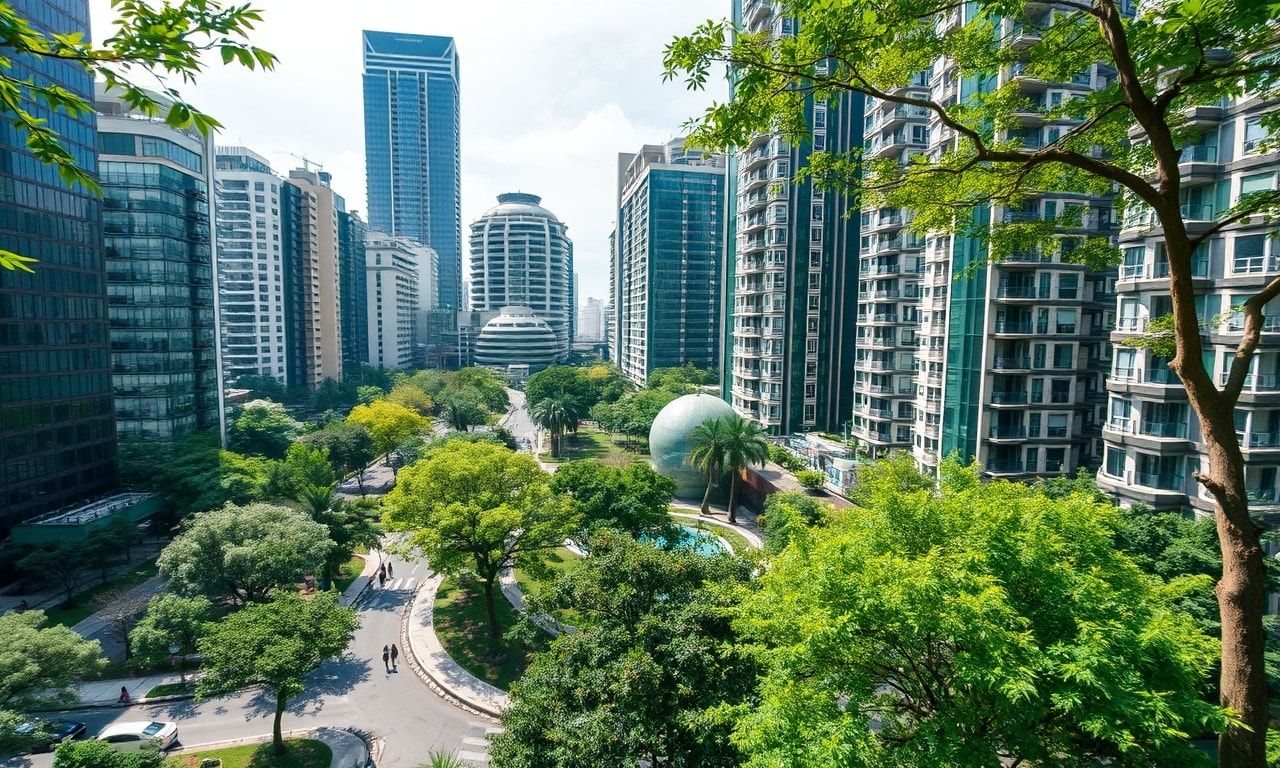
The Global Push for Urban Green Spaces
The world is witnessing an unprecedented rate of urbanization, with more than half of the global population now living in cities. This shift has brought about numerous challenges, including increased pollution, higher temperatures, and reduced quality of life. In response, cities around the world are prioritizing the creation and maintenance of urban green spaces. These areas, which include parks, community gardens, and green roofs, offer a multitude of benefits that extend beyond aesthetics.
The Benefits of Urban Green Spaces
Urban green spaces play a crucial role in mitigating the negative impacts of urbanization. They act as natural air purifiers, absorbing pollutants and releasing oxygen. Additionally, they help to reduce the urban heat island effect, where cities become significantly warmer than their surrounding rural areas. Green spaces also promote biodiversity, providing habitats for various species of plants and animals. Moreover, they offer recreational opportunities, contributing to the physical and mental well-being of urban dwellers.
For those interested in creating or maintaining their own green spaces, resources like the bahçe bakımı ipuçları rehber provide valuable tips and guidance. These resources can help individuals contribute to the greening of their communities, one garden at a time.
Global Initiatives and Success Stories
Cities worldwide are implementing innovative strategies to integrate green spaces into urban landscapes. In Singapore, the “City in a Garden” vision aims to transform the city-state into a vibrant and sustainable city with abundant greenery. The High Line in New York City is a prime example of urban redevelopment, turning an old railway line into a lush, elevated park. Similarly, Paris has pledged to make half of its surface area green by 2030, with plans to transform roads and parking lots into gardens and parks.
Challenges and Solutions
Despite the numerous benefits, creating and maintaining urban green spaces comes with its own set of challenges. Limited space, high costs, and competing priorities often hinder the development of these areas. However, cities are finding creative solutions to overcome these obstacles. Vertical gardens, green roofs, and community gardens are examples of innovative approaches that maximize the use of available space. Additionally, public-private partnerships and community involvement can help to share the financial burden and ensure the sustainability of these projects.
The Role of Technology
Technology is playing an increasingly important role in the planning, design, and maintenance of urban green spaces. Geographic Information Systems (GIS) and remote sensing technologies enable urban planners to identify suitable locations for green spaces and monitor their impact on the environment. Smart irrigation systems and sensor technologies help to optimize water usage and ensure the health of urban vegetation. Furthermore, mobile apps and online platforms facilitate community engagement, allowing residents to report issues, share ideas, and participate in the maintenance of green spaces.
The Future of Urban Green Spaces
As urbanization continues to accelerate, the importance of urban green spaces will only grow. Cities that prioritize the creation and maintenance of these areas will not only enhance the quality of life for their residents but also contribute to global efforts to combat climate change and promote sustainability. By embracing innovative strategies and leveraging technology, cities can transform their urban landscapes into vibrant, green havens that benefit all.
In the realm of local journalism, a fascinating look into community-driven sustainability efforts can be found in Berlin’s grassroots initiatives making waves.
As the pandemic reshapes our lives, one unexpected trend has emerged: the surge in pet adoptions. Discover more about this heartwarming development in how pets brought joy during COVID.
As global travel restrictions ease, adventurers may find inspiration in exploring unconventional destinations, a guide that delves into unique travel experiences off the typical tourist path.