
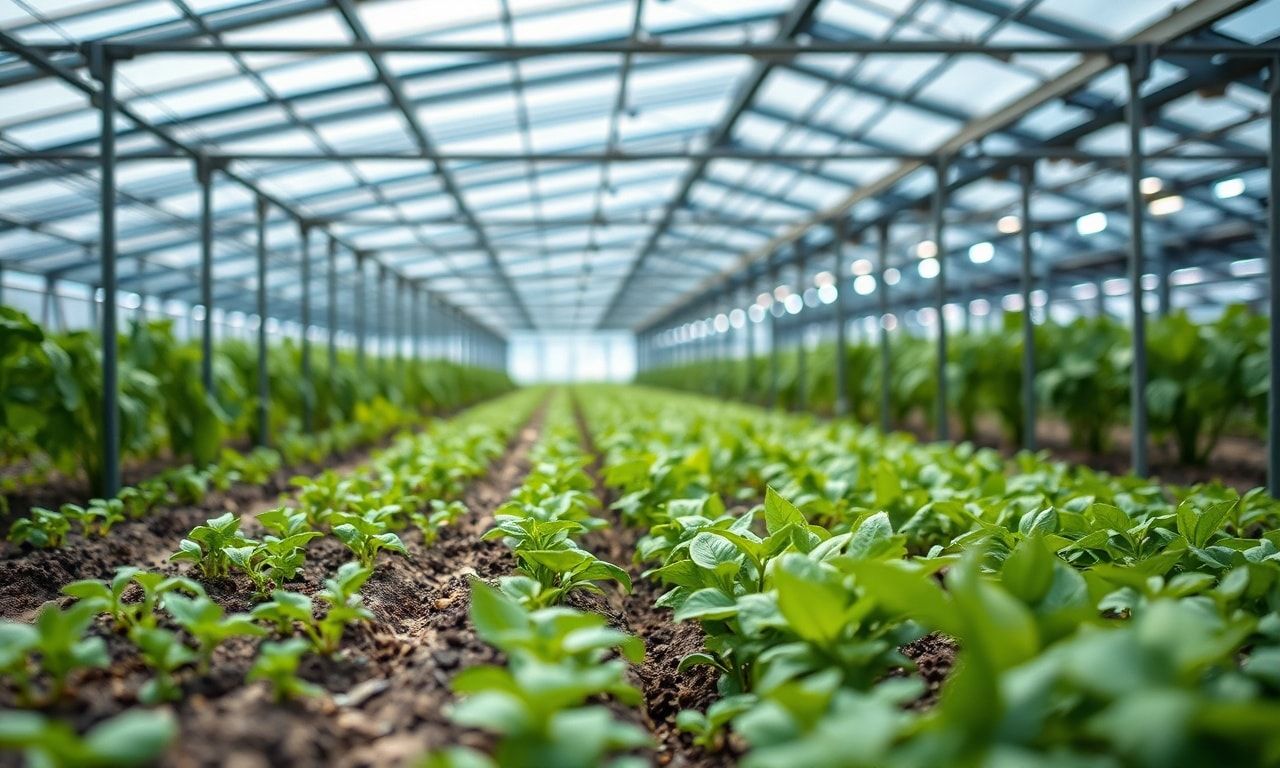
The Digital Transformation of Agriculture
The agricultural sector is undergoing a significant transformation, driven by technological advancements. This shift is not only enhancing productivity but also addressing some of the most pressing challenges faced by farmers today. From precision farming to data-driven decision-making, technology is reshaping the way we cultivate and harvest crops. This article explores the latest trends and innovations in the agricultural sector, highlighting how technology is revolutionizing traditional practices.
Precision Farming: The Future of Agriculture
Precision farming is at the forefront of this digital revolution. By leveraging technologies such as GPS, sensors, and drones, farmers can monitor and manage their fields with unprecedented accuracy. These tools enable real-time data collection on soil health, moisture levels, and crop conditions, allowing for targeted interventions. For instance, drones equipped with multispectral cameras can identify areas of a field that require attention, ensuring that resources are used efficiently. This approach not only boosts yields but also reduces the environmental impact of farming practices.
The Role of Data in Modern Farming
Data is the backbone of modern agriculture. Farmers are increasingly relying on data analytics to make informed decisions. By analyzing data from various sources, including weather forecasts, soil sensors, and historical yield data, farmers can predict trends and optimize their operations. This data-driven approach helps in planning planting and harvesting schedules, managing irrigation, and even predicting pest outbreaks. The integration of artificial intelligence (AI) and machine learning (ML) further enhances the capabilities of data analytics, providing farmers with actionable insights.
For the latest updates and insights on the agricultural sector, you can visit tarım sektörü güncel haberleri. This resource offers a wealth of information on current trends and technological advancements in agriculture, keeping farmers and stakeholders informed about the latest developments.
Sustainable Agriculture: Balancing Productivity and Environmental Stewardship
Sustainability is a key focus in modern agriculture. The industry is increasingly adopting practices that balance productivity with environmental stewardship. Technologies such as vertical farming, hydroponics, and aquaponics are gaining traction as they use fewer resources and have a lower environmental footprint. Additionally, the use of renewable energy sources, such as solar and wind power, is becoming more prevalent in agricultural operations. These sustainable practices not only reduce the carbon footprint of farming but also ensure long-term viability.
The Impact of Climate Change on Agriculture
Climate change poses significant challenges to the agricultural sector. Erratic weather patterns, droughts, and extreme weather events are becoming more frequent, impacting crop yields and farm productivity. To mitigate these effects, farmers are adopting climate-smart agricultural practices. These include drought-resistant crop varieties, improved water management techniques, and the use of weather forecasting tools to plan farming activities. Governments and international organizations are also playing a crucial role by providing support and resources to help farmers adapt to these changing conditions.
The Future of Agricultural Technology
The future of agricultural technology is bright, with several emerging trends set to revolutionize the sector. Autonomous farming equipment, such as self-driving tractors and harvesters, is already being tested and deployed in some regions. These machines can operate independently, reducing the need for manual labor and increasing efficiency. Additionally, the use of blockchain technology is being explored to enhance supply chain transparency and traceability. This can help in ensuring food safety and quality, benefiting both farmers and consumers.
In conclusion, the agricultural sector is on the cusp of a technological revolution. From precision farming to sustainable practices, technology is transforming the way we cultivate and harvest crops. By embracing these innovations, farmers can enhance productivity, reduce environmental impact, and adapt to the challenges posed by climate change. The future of agriculture is not just about growing crops; it’s about leveraging technology to create a sustainable and resilient food system.