
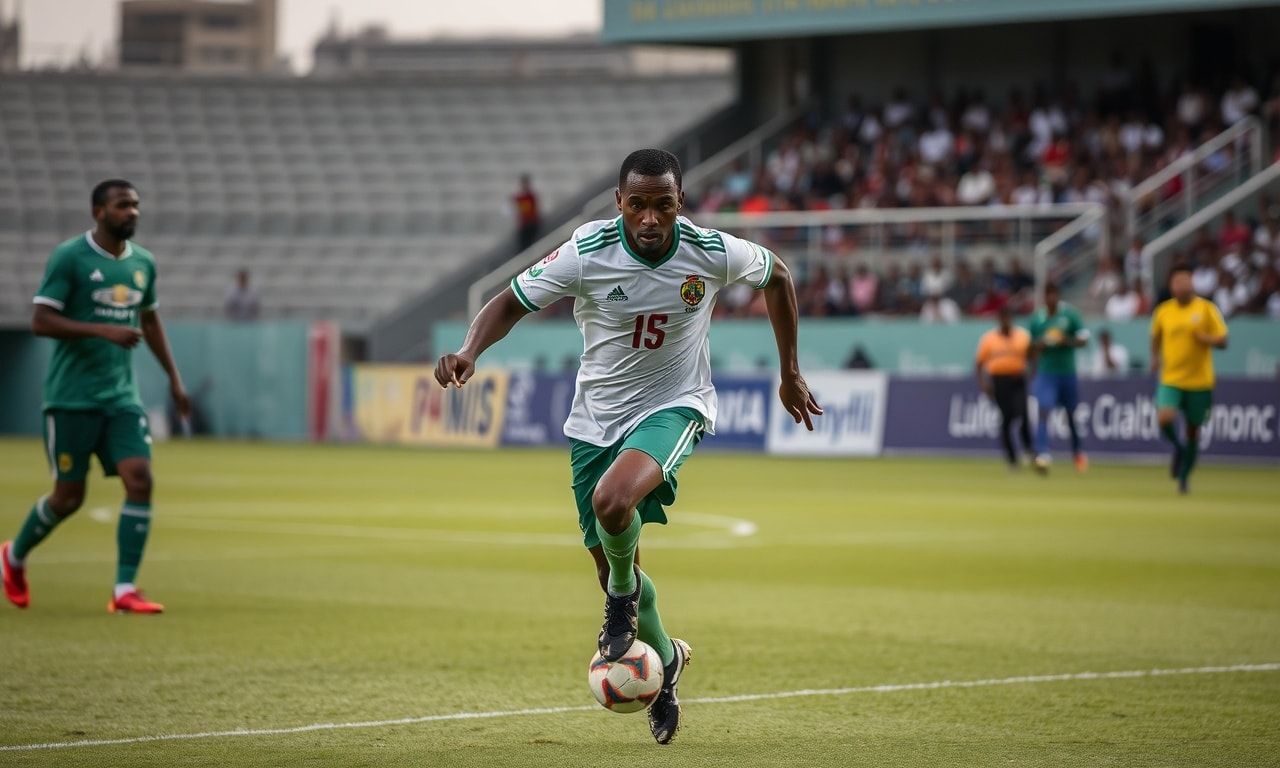
The Role of Football in Ethiopian Society
Football, or soccer as it is known in some parts of the world, is more than just a game in Ethiopia. It is a unifying force that brings together people from diverse backgrounds and regions. The sport has a significant cultural and social impact, often reflecting the country’s political and economic climate. In recent years, Ethiopia’s football scene has seen both triumphs and challenges, mirroring the broader societal changes taking place.
The Current State of Ethiopian Football
The Ethiopian Premier League, the top tier of the Ethiopian football league system, has been a hotbed of talent and competition. Clubs like Saint George, Wednesdays, and Commercial Bank are household names, each with a rich history and a passionate fan base. For the latest standings and statistics, enthusiasts can refer to resources like Top Ethiopian football clubs standings and stats, which provide up-to-date information on team performances and player stats.
Despite the popularity of the league, Ethiopian football faces several challenges. Infrastructure, funding, and governance issues have plagued the sport, affecting its growth and development. However, there have been efforts to improve the situation, with investments in training facilities and youth development programs. The Ethiopian Football Federation (EFF) has also been working on implementing better governance structures to ensure transparency and accountability.
Notable Achievements and Challenges
In recent years, the Ethiopian national team, known as the Walia Antelopes, has made significant strides on the international stage. Qualifying for the Africa Cup of Nations (AFCON) and performing competitively against top African teams has been a source of national pride. However, the team has also faced criticism for inconsistent performances and management issues.
Domestically, the Ethiopian Premier League has seen increased competition and talent development. Young players are being given more opportunities to showcase their skills, and the league has become a breeding ground for future stars. Despite these positive developments, the league still faces challenges such as match-fixing allegations, poor officiating, and inadequate facilities.
The Political and Social Context
Football in Ethiopia is deeply intertwined with the country’s political and social landscape. The sport has often been used as a tool for political expression and social commentary. During times of political unrest, football matches have been canceled or postponed, reflecting the broader societal tensions. Conversely, football has also been a source of unity and hope during difficult times, bringing people together and fostering a sense of national identity.
The Ethiopian government has recognized the importance of football in promoting national unity and development. Efforts have been made to leverage the sport for social and economic benefits, including the construction of new stadiums and the organization of international tournaments. However, these initiatives have not been without controversy, with critics arguing that they are often driven by political agendas rather than genuine interest in the development of the sport.
The Impact of Social Media
The rise of social media has had a profound impact on Ethiopian football. Platforms like Facebook, Twitter, and Instagram have provided fans with a new way to engage with the sport, share their opinions, and connect with like-minded individuals. Social media has also given players and clubs a direct line of communication with their fans, allowing them to share updates, news, and behind-the-scenes content.
However, social media has also brought new challenges to Ethiopian football. The spread of misinformation and fake news has become a significant concern, with false reports and rumors often causing unnecessary panic and controversy. Additionally, the anonymity provided by social media has led to an increase in online harassment and abuse, with players and officials often targeted by trolls and cyberbullies.
The Future of Ethiopian Football
Despite the challenges, the future of Ethiopian football looks promising. The country has a rich talent pool, and with the right investments and support, it has the potential to become a major force in African football. The Ethiopian Football Federation and other stakeholders are working on long-term strategies to address the sport’s challenges and capitalize on its opportunities.
One of the key areas of focus is youth development. Investing in young talent and providing them with the necessary training and support is crucial for the long-term success of Ethiopian football. Additionally, efforts are being made to improve the infrastructure and facilities available to players and clubs. The construction of new stadiums, training centers, and academies is expected to provide a significant boost to the sport.
Another important aspect is the promotion of women’s football. In recent years, there has been a growing recognition of the importance of women’s football in Ethiopia. The Ethiopian Women’s Football League has seen increased participation and competition, and efforts are being made to provide female players with the same opportunities and support as their male counterparts.
Conclusion
Football in Ethiopia is a reflection of the country’s political, social, and economic landscape. It is a source of pride and unity, bringing together people from diverse backgrounds and regions. Despite the challenges, the future of Ethiopian football looks promising, with efforts being made to address the sport’s issues and capitalize on its opportunities. As the country continues to develop and grow, so too will its football scene, providing a source of inspiration and hope for future generations.