
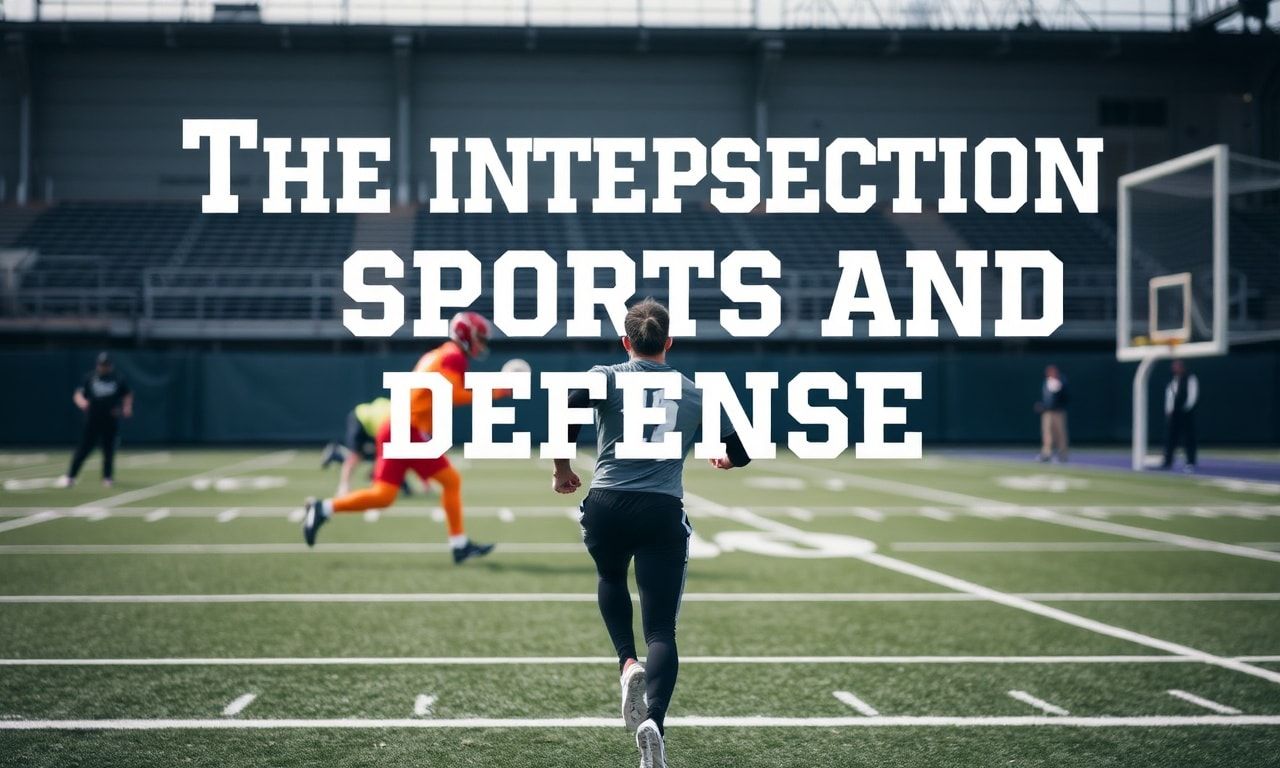
The Unlikely Connection Between Sports and Defense
The worlds of sports and defense may seem disparate at first glance, but a closer examination reveals a fascinating interplay between the two. From the physical conditioning required in both fields to the strategic planning and teamwork, the parallels are striking. This article explores the unique connection between sports and defense, highlighting how each discipline can learn from the other.
The Role of Physical Fitness
Physical fitness is a cornerstone of both sports and defense. Athletes undergo rigorous training regimens to enhance their performance, much like military personnel who must maintain peak physical condition to carry out their duties effectively. The emphasis on endurance, strength, and agility is paramount in both arenas. For instance, a soldier’s ability to endure long marches and carry heavy equipment is akin to a marathon runner’s stamina and a football player’s strength and agility.
Moreover, the importance of injury prevention and recovery is a shared concern. Both athletes and military personnel are susceptible to injuries, and advancements in sports medicine have significantly benefited the defense sector. Innovations in rehabilitation techniques, nutritional strategies, and injury prevention methods have been adopted by defense organizations to keep their personnel in optimal condition.
Strategic Planning and Teamwork
Strategic planning is another area where sports and defense intersect. Coaches and military strategists both rely on meticulous planning and analysis to achieve their goals. In sports, coaches develop game plans that take into account the strengths and weaknesses of their team and their opponents. Similarly, military strategists devise battle plans based on intelligence gathering and tactical analysis.
Teamwork is also a critical component in both fields. In sports, players must work together seamlessly to execute plays and achieve victory. In the military, soldiers must rely on each other to complete missions successfully. The importance of communication, coordination, and mutual trust cannot be overstated in either context. For example, a well-coordinated offensive play in football is reminiscent of a synchronized military operation, where every member of the team has a specific role and must execute it flawlessly.
The Impact of Technology
Technology has revolutionized both sports and defense. Advances in equipment, training methods, and data analysis have significantly enhanced performance and outcomes in both fields. In sports, technology such as wearable devices, high-speed cameras, and advanced analytics tools have provided coaches and athletes with valuable insights to improve their performance. Similarly, defense organizations have embraced technology to enhance their capabilities, from drones and unmanned vehicles to advanced communication systems and cybersecurity measures.
For instance, the use of data analytics in sports to track player performance and predict outcomes has parallels in the defense sector, where data is used to monitor threats and optimize resource allocation. The integration of technology has not only improved efficiency but also created new opportunities for innovation and collaboration between the two disciplines.
Mental Toughness and Resilience
Mental toughness and resilience are essential qualities in both sports and defense. Athletes must possess the mental fortitude to overcome challenges and perform under pressure, much like military personnel who must remain composed in high-stress situations. The ability to stay focused, maintain discipline, and adapt to changing circumstances is crucial in both fields.
Mental conditioning techniques, such as visualization and mindfulness, are employed by athletes to enhance their performance. These techniques have also been adopted by defense organizations to help personnel cope with the psychological demands of their roles. The emphasis on mental health and well-being has become increasingly important in both sports and defense, as the recognition of the impact of psychological factors on performance has grown.
Learning from Each Other
There is much that sports and defense can learn from each other. The exchange of knowledge and best practices can lead to mutual benefits and advancements. For example, the use of sports science principles in defense training can enhance the physical and mental preparation of military personnel. Conversely, defense strategies and tactics can provide valuable insights for sports coaches and athletes.
Collaboration between the two fields can also foster innovation and creativity. Joint initiatives, such as research projects and training programs, can bring together experts from both disciplines to address common challenges and explore new opportunities. For instance, the development of advanced materials and equipment for sports can have applications in defense, and vice versa.
In conclusion, the intersection of sports and defense offers a wealth of opportunities for mutual growth and development. By recognizing the shared principles and values, both fields can benefit from the exchange of knowledge and best practices. As the worlds of sports and defense continue to evolve, the potential for collaboration and innovation will only grow, paving the way for a more integrated and resilient future.
For more insights into the world of sports, including the latest updates on college sports, visit college sports news today.