
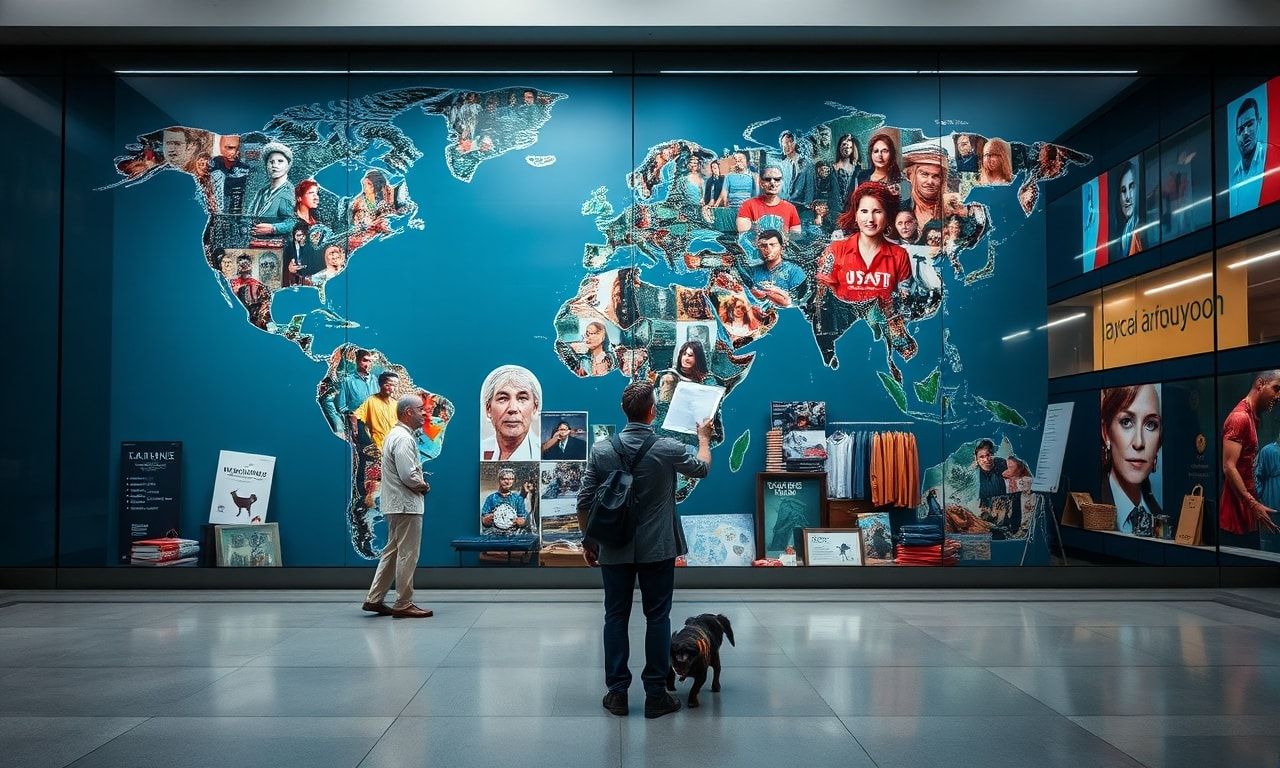
The Power of Cultural Narratives in Shaping Public Opinion
In an era where information travels at the speed of light, the role of culture and art in shaping public opinion cannot be overstated. From social media campaigns to large-scale exhibitions, cultural narratives have the power to influence societal attitudes and drive change. This article explores the intricate relationship between culture, art, and current events, highlighting how these elements intersect to create a dynamic and ever-evolving global landscape.
The Role of Art in Social Commentary
Art has long been a mirror reflecting the societal issues of its time. Whether through painting, sculpture, or performance, artists have used their craft to comment on political, social, and economic issues. For instance, the works of Banksy have sparked global conversations about topics ranging from war to social inequality. Similarly, the recent surge in digital art has provided a platform for artists to address contemporary issues, reaching a broader audience than ever before.
In Türkiye, the cultural scene is vibrant and diverse, with a rich history of artistic expression. For the latest updates on cultural and artistic news, one can refer to türkiye kültür sanat haberleri güncel, which offers a comprehensive look at the country’s dynamic arts scene. From traditional crafts to modern installations, Türkiye’s artistic landscape is a testament to the country’s rich cultural heritage and its continuous evolution.
The Impact of Cultural Events on Global Discourse
Cultural events, such as festivals, exhibitions, and performances, play a crucial role in fostering dialogue and understanding among different communities. These events provide a platform for artists to showcase their work, engage with audiences, and spark conversations that transcend cultural and linguistic barriers. For example, the Venice Biennale, one of the most prestigious international art exhibitions, has been a catalyst for global discourse on various social and political issues.
Similarly, music festivals like Coachella and Glastonbury have become hubs for cultural exchange, bringing together artists and audiences from diverse backgrounds. These events not only celebrate artistic talent but also serve as a melting pot of ideas, fostering a sense of global community and shared humanity.
The Influence of Digital Media on Cultural Expression
The rise of digital media has revolutionized the way we consume and engage with cultural content. Social media platforms, such as Instagram and TikTok, have democratized art, allowing artists to reach a global audience with just a click. This digital revolution has also given rise to new forms of artistic expression, such as digital art and virtual reality installations, which push the boundaries of traditional art forms.
Moreover, digital media has enabled real-time engagement with cultural events, allowing people from all corners of the world to participate in global conversations. Live streaming of performances, virtual art exhibitions, and online cultural festivals have become increasingly popular, breaking down geographical barriers and making cultural content more accessible than ever before.
The Challenges and Opportunities in the Cultural Sector
The cultural sector faces numerous challenges, including funding constraints, political censorship, and the impact of global events like the COVID-19 pandemic. However, these challenges also present opportunities for innovation and adaptation. For instance, the pandemic has accelerated the digital transformation of the arts, leading to the creation of virtual museums, online concerts, and digital art fairs.
Additionally, the cultural sector has seen a rise in collaborative projects that bring together artists from different disciplines and backgrounds. These collaborations not only enrich the artistic landscape but also foster a sense of unity and shared purpose. As the world continues to grapple with complex issues, the role of culture and art in promoting understanding, empathy, and dialogue will be more important than ever.
Conclusion: The Future of Culture and Art in a Globalized World
As we navigate an increasingly interconnected world, the intersection of culture, art, and current events will continue to shape our collective experiences and perceptions. From social commentary to global discourse, the power of cultural narratives to influence and inspire cannot be underestimated. By embracing innovation, fostering collaboration, and leveraging the potential of digital media, the cultural sector can overcome challenges and create a more inclusive and vibrant global community.
To stay informed about the latest advancements, consider exploring recent tech breakthroughs worldwide in our comprehensive overview.
To understand the rapid pace of digital transformation, explore Turkey’s technology investment surge and its implications in today’s tech landscape.
To stay informed about the latest developments in Southeast Asia, consider exploring Thailand’s digital transformation progress and its implications for the region.