
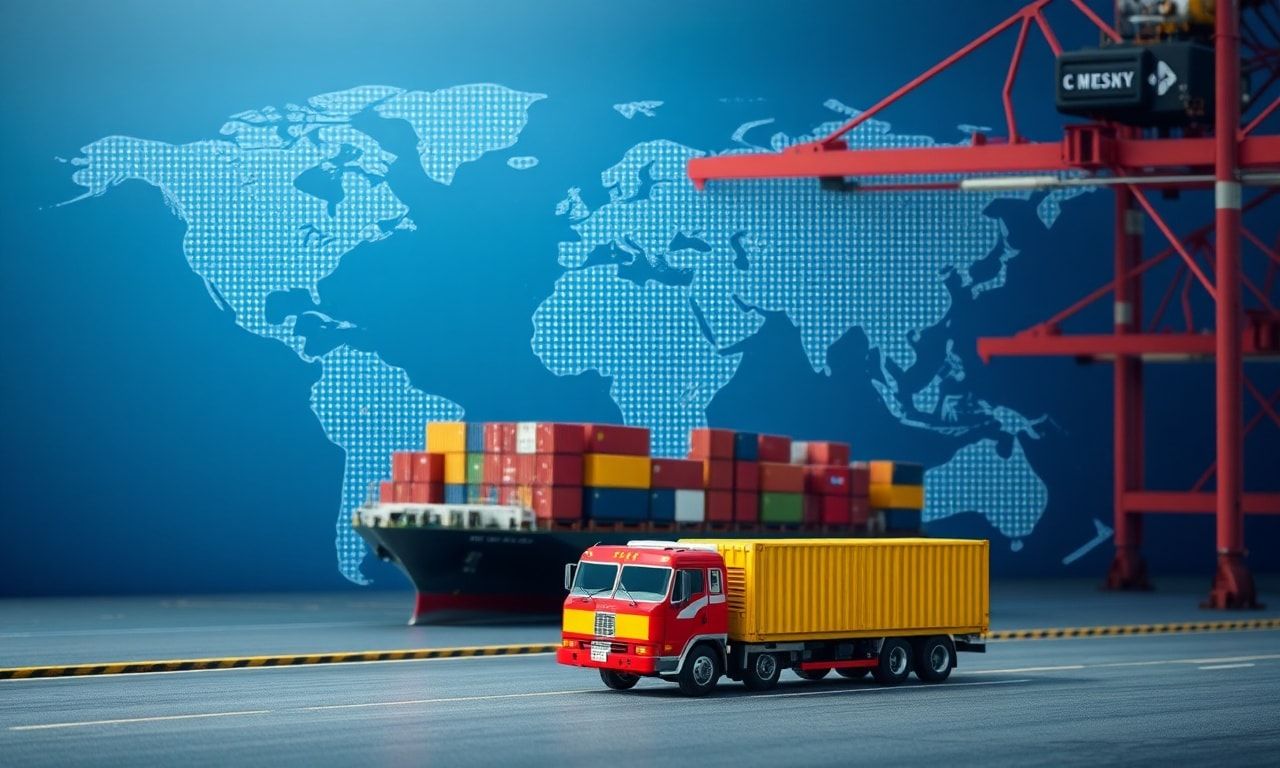
The Ripple Effect of Maritime Logistics
The global shipping industry has been under immense strain in recent years, with delays and disruptions becoming increasingly common. These issues have far-reaching consequences for international trade, affecting everything from the availability of consumer goods to the stability of global supply chains. As the world becomes more interconnected, the importance of efficient maritime logistics cannot be overstated.
The Causes Behind the Delays
Several factors contribute to the current state of global shipping delays. The COVID-19 pandemic has been a significant disruptor, causing labor shortages, port congestion, and a surge in demand for certain goods. Additionally, geopolitical tensions, natural disasters, and the increasing size of container ships have all played a role in exacerbating the situation. For instance, the blockage of the Suez Canal by the Ever Given vessel in March 2021 highlighted the vulnerability of global trade routes to single-point failures.
Another critical aspect is the infrastructure at ports. Many ports around the world are struggling to handle the increased volume of cargo, leading to bottlenecks and delays. This is where services like nakliyat adresleri become invaluable, providing essential logistics support and helping to streamline the movement of goods.
The Economic Consequences
The economic impact of shipping delays is profound. Retailers and manufacturers face higher costs due to increased freight rates and longer lead times. These costs are often passed on to consumers, leading to inflation and reduced purchasing power. Moreover, the uncertainty surrounding delivery times can disrupt production schedules and inventory management, further straining businesses.
Small and medium-sized enterprises (SMEs) are particularly vulnerable to these disruptions. Unlike larger corporations, SMEs often lack the financial cushion to absorb unexpected costs or delays. This can lead to cash flow problems and, in some cases, business closures. The ripple effect of these delays can be seen in various sectors, from retail to manufacturing, highlighting the interconnected nature of global trade.
Technological Innovations and Solutions
In response to these challenges, the shipping industry is turning to technological innovations to improve efficiency and reliability. Automation, artificial intelligence, and data analytics are being used to optimize routing, reduce congestion, and enhance predictive maintenance. For example, smart containers equipped with IoT sensors can monitor cargo conditions in real-time, ensuring the safe and timely delivery of goods.
Blockchain technology is also being explored as a means to improve transparency and traceability in the supply chain. By providing a secure and immutable record of transactions, blockchain can help to reduce fraud, streamline customs processes, and enhance collaboration among stakeholders. These technological advancements are crucial for building a more resilient and efficient global shipping network.
The Role of Government and Policy
Governments and international organizations play a vital role in addressing the challenges faced by the shipping industry. Policies aimed at improving port infrastructure, reducing regulatory barriers, and promoting fair competition can help to alleviate some of the pressures on global trade. Additionally, international cooperation is essential for addressing issues such as piracy, environmental regulations, and cybersecurity threats.
For instance, the International Maritime Organization (IMO) has been working to reduce the environmental impact of shipping through the implementation of stricter emissions standards. These efforts not only contribute to sustainability but also help to ensure the long-term viability of the industry. By fostering a collaborative approach, governments and organizations can support the shipping industry in navigating the complexities of global trade.
Looking Ahead
The future of global shipping is likely to be shaped by a combination of technological advancements, policy initiatives, and industry collaboration. As the world continues to grapple with the aftermath of the pandemic and other disruptions, the need for resilient and efficient logistics solutions has never been greater. By embracing innovation and working together, the shipping industry can overcome these challenges and ensure the smooth flow of goods across the globe.
In conclusion, the impact of global shipping delays on international trade is profound and far-reaching. From economic consequences to technological innovations, the shipping industry is at the heart of global commerce. By addressing the root causes of these delays and implementing effective solutions, we can build a more robust and sustainable future for global trade.
As Qatar continues to grow and evolve, understanding how to navigate local services is crucial; our latest guide, selecting top moving companies, offers essential advice for residents.