
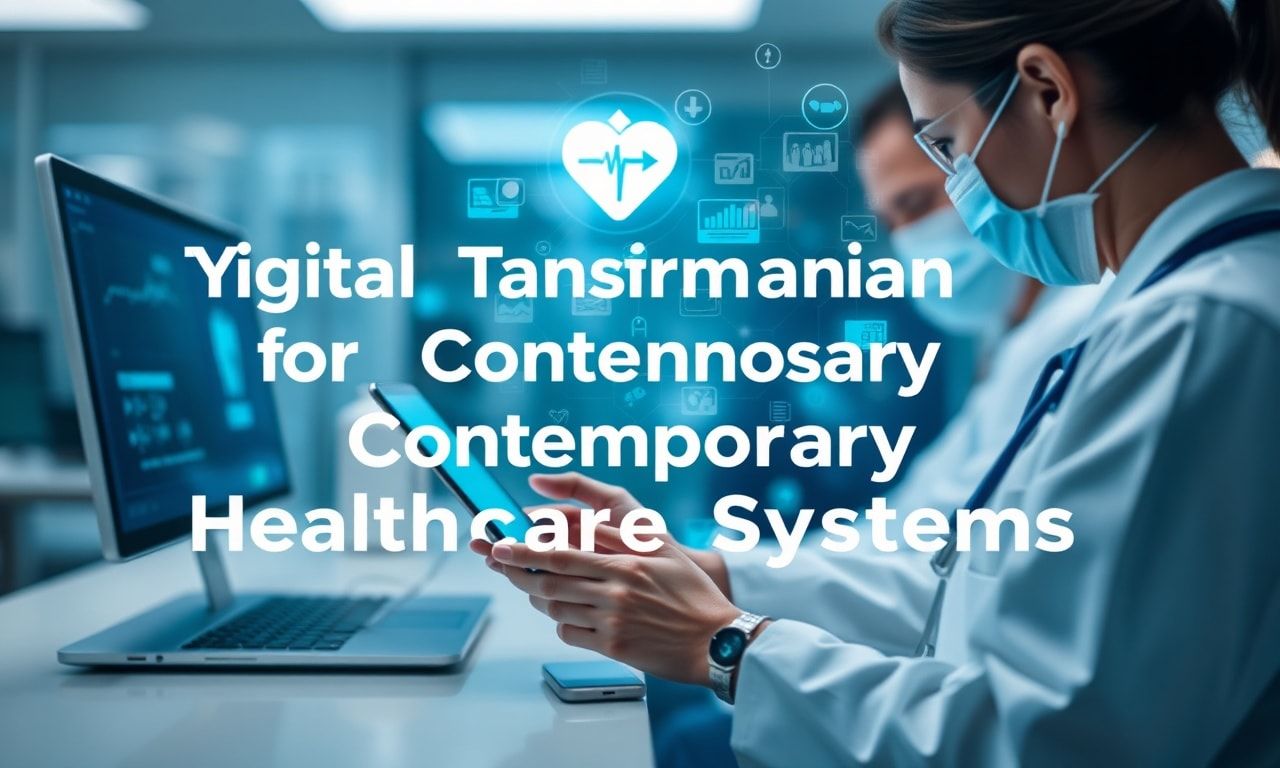
The Digital Revolution in Healthcare
The healthcare industry is undergoing a significant transformation driven by digital technologies. This shift is reshaping how healthcare services are delivered, managed, and experienced by patients. The integration of digital tools and platforms is enhancing efficiency, improving patient outcomes, and reducing costs. As we navigate through this digital revolution, it is crucial to understand the implications and benefits of these changes.
The Role of Telemedicine
Telemedicine has emerged as a cornerstone of modern healthcare services. The ability to consult with healthcare professionals remotely has become increasingly popular, especially in the wake of the COVID-19 pandemic. This technology not only provides convenience but also ensures that patients in remote or underserved areas receive timely medical attention. Telemedicine platforms offer a range of services, from virtual consultations to remote monitoring of chronic conditions. For a comprehensive comparison of healthcare services, you can refer to the healthcare services comparison guide.
Electronic Health Records (EHRs)
Electronic Health Records (EHRs) have revolutionized the way patient data is stored and accessed. EHRs provide a centralized system where healthcare providers can access a patient’s medical history, treatment plans, and test results. This seamless integration of information improves coordination among healthcare professionals, reduces the risk of medical errors, and enhances the overall quality of care. The adoption of EHRs has been accelerated by government initiatives and the need for interoperability among different healthcare systems.
Artificial Intelligence and Machine Learning
Artificial Intelligence (AI) and Machine Learning (ML) are playing a pivotal role in the transformation of healthcare. These technologies are being used to analyze vast amounts of medical data to identify patterns and predict outcomes. AI-powered tools can assist in diagnosing diseases, developing personalized treatment plans, and even predicting patient deterioration. For instance, AI algorithms can analyze medical images to detect early signs of cancer or other conditions. The potential of AI and ML in healthcare is immense, and their integration is expected to continue growing in the coming years.
The Importance of Cybersecurity
As healthcare systems become increasingly digital, the importance of cybersecurity cannot be overstated. The sensitive nature of medical data makes it a prime target for cybercriminals. Healthcare organizations must invest in robust cybersecurity measures to protect patient information and ensure the integrity of their systems. This includes implementing encryption, multi-factor authentication, and regular security audits. Additionally, healthcare professionals must be trained to recognize and respond to potential cyber threats. The consequences of a data breach can be severe, including financial losses, reputational damage, and legal liabilities.
Challenges and Considerations
The digital transformation of healthcare is not without its challenges. One of the primary concerns is the digital divide, where access to digital healthcare services is not uniform across different populations. Rural and underserved communities may lack the infrastructure and resources to fully benefit from these advancements. Addressing this disparity requires targeted investments and policies to ensure equitable access to digital healthcare services. Another challenge is the need for interoperability among different healthcare systems and platforms. Ensuring seamless data exchange and integration is crucial for providing comprehensive and coordinated care.
Future Trends and Innovations
The future of healthcare is likely to be shaped by continued advancements in digital technologies. Emerging innovations such as wearable devices, robotic surgery, and virtual reality therapy are poised to further enhance patient care. Wearable devices can monitor vital signs and track health metrics in real-time, providing valuable data for healthcare providers. Robotic surgery offers precision and minimally invasive procedures, reducing recovery times and improving outcomes. Virtual reality therapy is being explored for its potential in mental health treatment and pain management. As these technologies evolve, their integration into mainstream healthcare practices will become more prevalent.
The digital transformation of healthcare is a multifaceted journey that promises to revolutionize the industry. By embracing these technological advancements, healthcare systems can achieve greater efficiency, improved patient outcomes, and enhanced accessibility. However, it is essential to address the challenges and ensure that the benefits of digital transformation are equitably distributed. As we move forward, the collaboration between healthcare professionals, technology experts, and policymakers will be crucial in shaping the future of healthcare.