
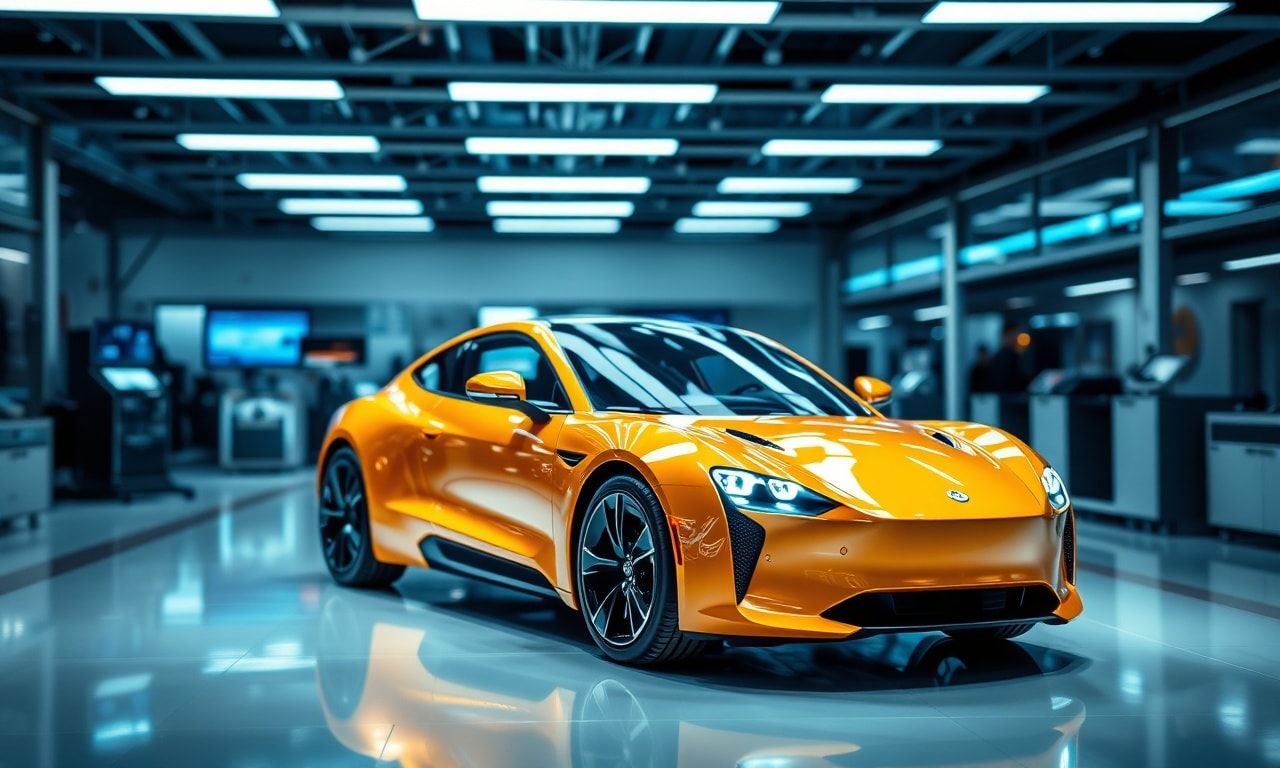
The Evolution of Automotive Technology
The automotive industry is on the cusp of a technological revolution. With advancements in electric vehicles, autonomous driving, and connectivity, the future of cars is looking more exciting than ever. As we approach 2026, several key trends are emerging that will shape the way we drive and interact with our vehicles.
Electric Vehicles (EVs) Dominate the Market
Electric vehicles are no longer a niche market; they are becoming the standard. By 2026, it is expected that a significant portion of new car sales will be electric. This shift is driven by stricter emissions regulations, advancements in battery technology, and increasing consumer demand for sustainable transportation. Automakers are investing heavily in developing longer-lasting batteries and faster-charging technologies to make EVs more convenient and accessible.
Autonomous Driving Takes Center Stage
Autonomous driving technology is another area that is rapidly evolving. While fully autonomous cars are not yet a reality, significant progress is being made. By 2026, we can expect to see more advanced driver-assistance systems (ADAS) that offer higher levels of automation. These systems will include features like adaptive cruise control, lane-keeping assist, and automated parking. The goal is to make driving safer and more efficient, reducing the risk of accidents caused by human error.
For those interested in the latest advancements in automotive technology, the Honda Civic tech guide and features for 2026 provides a comprehensive overview of what to expect from one of the most popular car models on the market. This guide highlights the innovative features and technological upgrades that will be available in the next generation of Honda Civics, offering a glimpse into the future of driving.
Connectivity and Infotainment Systems
Connectivity is becoming a crucial aspect of modern vehicles. By 2026, cars will be equipped with advanced infotainment systems that integrate seamlessly with smartphones and other devices. These systems will offer features like voice-controlled navigation, real-time traffic updates, and entertainment options that cater to the entire family. The integration of 5G technology will further enhance connectivity, enabling faster data transfer and more reliable communication between vehicles and infrastructure.
Sustainability and Eco-Friendly Innovations
Sustainability is a key focus for the automotive industry. In addition to electric vehicles, automakers are exploring other eco-friendly innovations. This includes the use of lightweight materials to improve fuel efficiency, the development of hydrogen fuel cell technology, and the implementation of recycling programs for old vehicles. These efforts aim to reduce the environmental impact of the automotive industry and promote a more sustainable future.
The Role of Artificial Intelligence (AI)
Artificial Intelligence is playing an increasingly important role in the automotive industry. AI-powered systems are being used to improve vehicle safety, optimize performance, and enhance the overall driving experience. For example, AI can analyze driving patterns to provide personalized recommendations, predict maintenance needs, and even detect potential safety issues before they become serious problems. As AI technology continues to evolve, we can expect to see even more innovative applications in the automotive sector.
Challenges and Opportunities
While the future of automotive technology is bright, there are also challenges that need to be addressed. These include the need for robust cybersecurity measures to protect connected vehicles from hacking, the development of infrastructure to support electric and autonomous vehicles, and the ethical considerations surrounding autonomous driving. However, these challenges also present opportunities for innovation and collaboration between automakers, technology companies, and government agencies.
In conclusion, the automotive industry is undergoing a transformative period. By 2026, we can expect to see significant advancements in electric vehicles, autonomous driving, connectivity, and sustainability. These innovations will not only change the way we drive but also have a profound impact on our daily lives. As we look to the future, it is clear that the automotive industry will continue to be at the forefront of technological innovation.
As technology continues to reshape various sectors, its impact on law enforcement is particularly noteworthy; explore the latest advancements in crime prevention strategies in our latest feature.
To understand the latest developments in urban transformation, consider exploring Wolfsburg’s evolving cityscape and innovations, a detailed look at the city’s progress.