
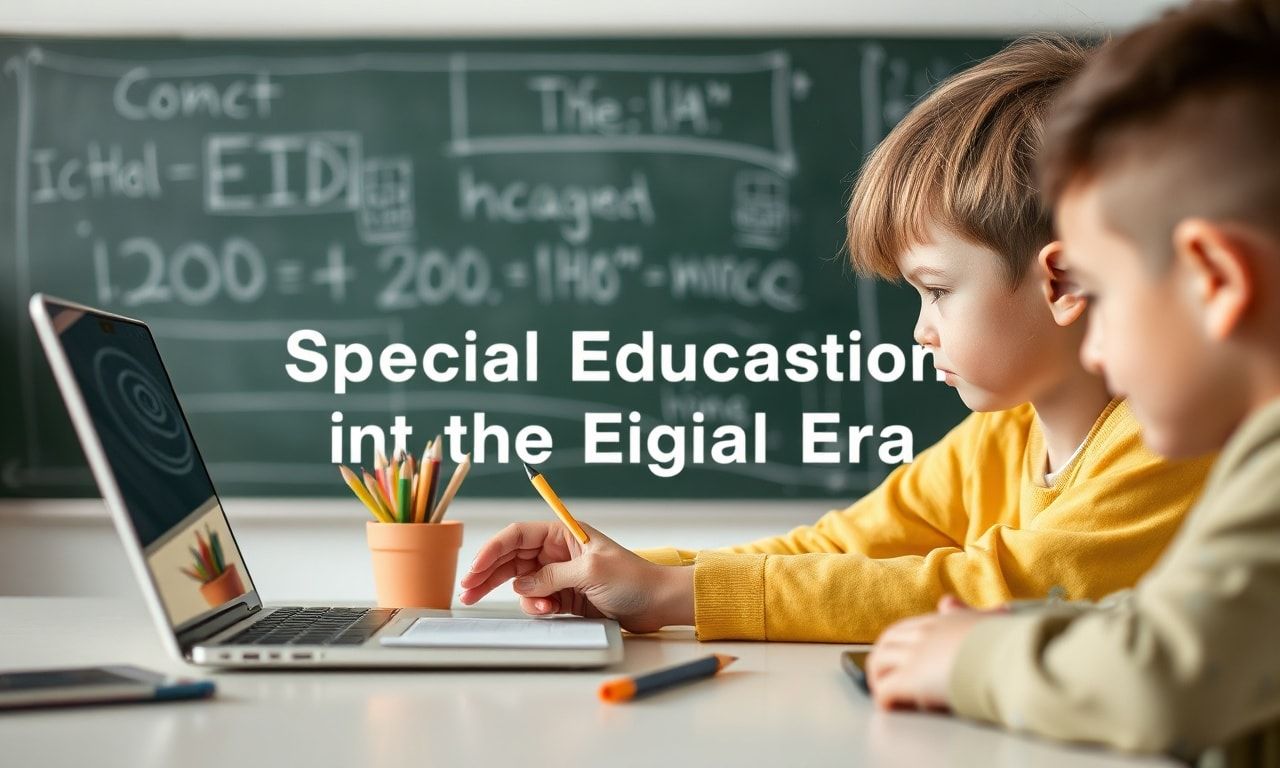
The Digital Transformation of Special Education
The landscape of special education is undergoing a significant transformation, driven by technological advancements and innovative pedagogical approaches. As we navigate through the digital age, the integration of online learning platforms has become increasingly prevalent, offering new opportunities for students with special needs. This shift is not only reshaping the way educators deliver instruction but also enhancing the accessibility and effectiveness of special education programs.
The Role of Online Learning Platforms
Online learning platforms have emerged as a powerful tool in the realm of special education. These platforms provide a flexible and personalized learning environment that caters to the unique needs of each student. For instance, the best online courses for special education in Reno are designed to offer tailored instruction, ensuring that students receive the support they need to thrive academically. The use of digital tools and resources enables educators to create interactive and engaging lessons that can be accessed anytime, anywhere.
Benefits of Digital Learning in Special Education
The adoption of digital learning in special education brings numerous benefits. Firstly, it enhances accessibility, allowing students with physical disabilities to participate more fully in the learning process. Secondly, it provides a platform for personalized instruction, enabling educators to tailor lessons to the individual needs of each student. Additionally, digital learning tools can facilitate collaboration and communication between students, educators, and parents, fostering a supportive learning community.
Challenges and Considerations
While the digital transformation of special education offers many advantages, it also presents certain challenges. One of the primary concerns is the digital divide, which refers to the disparity in access to technology and the internet. Ensuring that all students have equal access to digital learning resources is crucial for the success of these programs. Furthermore, educators must be adequately trained to effectively integrate technology into their teaching practices. Professional development programs and ongoing support are essential to help educators navigate the complexities of digital learning.
Case Studies and Success Stories
Numerous success stories highlight the positive impact of digital learning in special education. For example, schools in Reno have implemented online courses that have significantly improved student outcomes. These programs have not only enhanced academic performance but also boosted student confidence and engagement. By leveraging the best online courses for special education in Reno, educators have been able to create a more inclusive and supportive learning environment for students with diverse needs.
The Future of Special Education in the Digital Age
As we look to the future, the role of technology in special education is set to expand even further. Emerging technologies such as virtual reality, artificial intelligence, and adaptive learning platforms hold immense potential for transforming the way we educate students with special needs. These innovations can provide more immersive and personalized learning experiences, ultimately enhancing the educational outcomes for all students. However, it is essential to approach these advancements with a critical eye, ensuring that they are used to complement and enhance, rather than replace, the human element of education.
In the realm of environmental journalism, a new article delves into the crucial role of bees beyond honey production, offering a compelling look at their impact on our ecosystem: bees’ vital environmental contributions.
In the realm of educational advancements, a new approach from Nevada is gaining attention, as detailed in digital workshops transform teaching.