
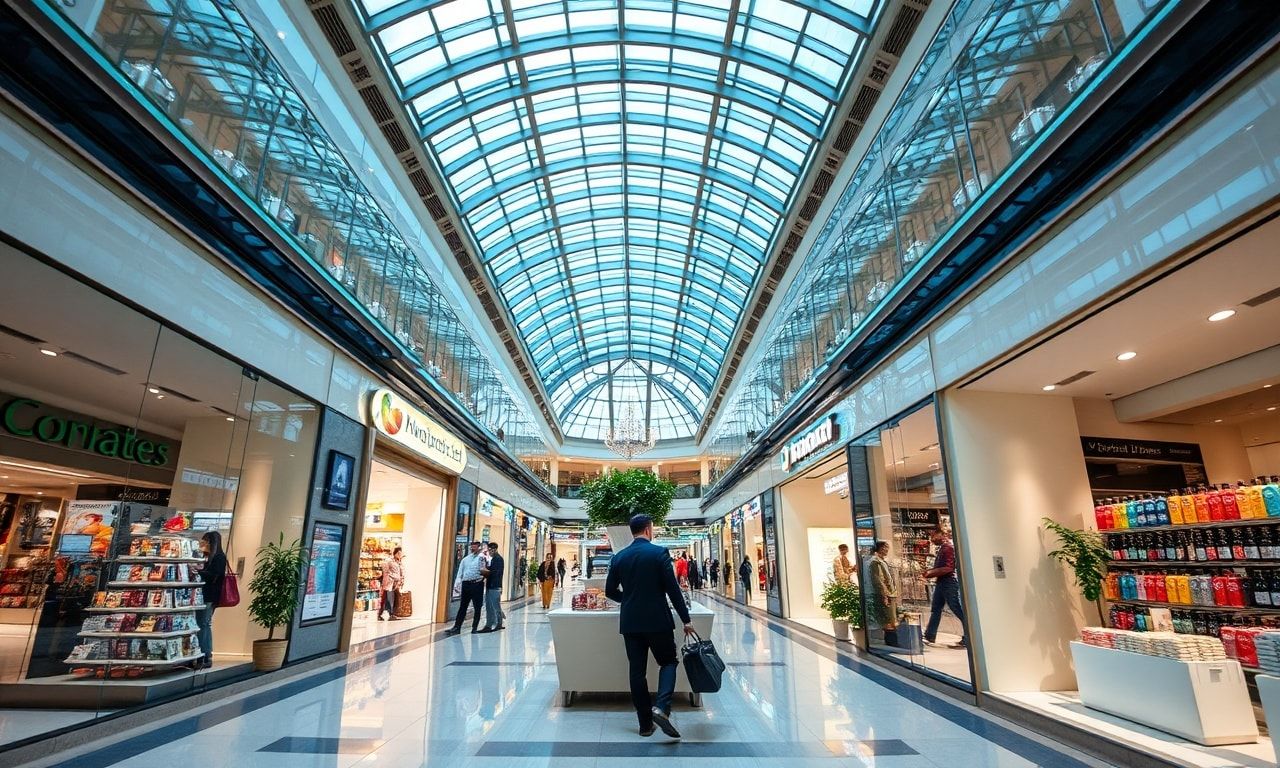
The Retail Revolution: A Global Perspective
The retail industry is undergoing a significant transformation, driven by technological advancements, changing consumer behaviors, and global economic shifts. From the rise of e-commerce to the integration of artificial intelligence in brick-and-mortar stores, the sector is witnessing unprecedented changes. This article explores the current trends in global retail, with a particular focus on the burgeoning shopping scene in Qatar, a country that has rapidly become a hub for luxury and diverse retail experiences.
Qatar’s Retail Boom: A Closer Look
Qatar has emerged as a key player in the global retail landscape, thanks to its strategic location, robust economy, and a population with a high disposable income. The country’s retail sector has seen substantial growth, driven by both local and international investors. The capital city, Doha, is home to some of the most luxurious shopping malls in the world, offering a blend of high-end fashion, electronics, and cultural artifacts. The Qatar shopping guide best stores provide a comprehensive overview of the top retail destinations, making it easier for both residents and tourists to navigate the vibrant shopping scene.
Luxury Shopping in Qatar
Qatar’s luxury retail market is particularly noteworthy. The country has become a hotspot for luxury brands, with high-end boutiques and flagship stores dotting the landscape. Malls such as the Villaggio Mall and The Mall of Qatar are renowned for their opulent offerings, attracting shoppers from around the globe. The Qatar shopping guide best stores highlight these luxury destinations, providing insights into the latest fashion trends and exclusive products available in the country.
E-commerce and Digital Transformation
The digital transformation of the retail sector is evident in Qatar as well. E-commerce platforms have gained significant traction, offering convenience and a wide range of products to consumers. The integration of digital technologies in traditional retail stores has enhanced the shopping experience, with features like virtual try-ons and personalized recommendations becoming increasingly popular. This shift towards digitalization is reshaping the retail landscape, making it more accessible and customer-centric.
The Impact of Global Events on Retail
Global events, such as the COVID-19 pandemic, have had a profound impact on the retail industry. The pandemic accelerated the shift towards online shopping, with consumers turning to e-commerce platforms for their daily needs. This trend has continued even as physical stores have reopened, indicating a lasting change in consumer behavior. Additionally, the pandemic highlighted the importance of supply chain resilience and the need for retailers to adapt to rapidly changing market conditions.
Sustainability and Ethical Consumption
Another significant trend in the retail sector is the growing emphasis on sustainability and ethical consumption. Consumers are increasingly aware of the environmental impact of their purchasing decisions and are seeking out brands that prioritize sustainability. Retailers in Qatar and around the world are responding to this demand by adopting eco-friendly practices, such as reducing plastic use, sourcing materials responsibly, and implementing recycling programs. This shift towards sustainability is not only beneficial for the environment but also aligns with the values of a new generation of conscious consumers.
Future Trends in Retail
The future of retail is poised for further innovation, with technologies like augmented reality (AR) and virtual reality (VR) set to revolutionize the shopping experience. These technologies can provide immersive and interactive experiences, allowing customers to try on clothes virtually or visualize how furniture will look in their homes. Additionally, the use of big data and analytics will enable retailers to offer highly personalized shopping experiences, tailored to individual preferences and behaviors.
The Role of Artificial Intelligence
Artificial intelligence (AI) is another key trend that will shape the future of retail. AI-powered chatbots and virtual assistants can provide instant customer support, while AI algorithms can analyze customer data to predict trends and optimize inventory management. The integration of AI in retail operations can enhance efficiency, improve customer satisfaction, and drive sales growth. As AI technology continues to evolve, its applications in the retail sector will become even more sophisticated and widespread.
Conclusion
The retail industry is in the midst of a dynamic transformation, driven by technological advancements, changing consumer behaviors, and global events. Qatar’s shopping scene is a testament to this evolution, offering a blend of luxury, innovation, and sustainability. As the retail landscape continues to evolve, both locally and globally, it is essential for businesses to stay informed and adapt to the latest trends. By embracing digital transformation, prioritizing sustainability, and leveraging advanced technologies, retailers can thrive in this ever-changing market.
As automotive technology continues to evolve, Honda Accord’s tech integration offers a glimpse into the future of connected vehicles.
As we continue to adapt to evolving lifestyles, many are seeking ways to enhance their living spaces; turning homes into wellness retreats offers practical guidance for this growing trend.
To learn more about the evolving urban landscape and community initiatives, explore Wolfsburg’s transformation and projects shaping the city’s future.