
Understanding Köşk güneş enerjili sulama pompası: practical guide for readers
A clear explainer on what a solar-powered irrigation pump is, why it matters, how it works, and practical options and pitfalls for news readers seeking reliable

What this device does and why it matters to readers of breaking news is straightforward: a solar-powered irrigation pump uses sunlight to drive water from a source to crops, reducing diesel use and aligning with climate and energy stories. The explainer covers what the technology is, how it functions, and what readers should know when the topic appears in a report. This helps you assess claims, compare options, and spot common problems without jargon.
Second, solar irrigation sits at the intersection of energy, agriculture, and public policy. Readers should understand the basics to evaluate coverage of subsidies, rural electrification, or drought responses. The piece keeps explanations tight, using concrete examples and plain language so you can verify facts in a breaking-news scenario.
Third, by outlining practical steps, potential pitfalls, and tips, the article provides a useful reference for readers who encounter this topic in news briefs, product reports, or council decisions. It focuses on what matters most in the moment: reliability, cost, and impact on farming operations.
Basics of solar irrigation pumps
What it is and how it works
A solar irrigation pump converts sunlight into mechanical energy that drives a water pump. It typically includes solar panels, a pump, a controller, and a storage tank or direct-use line. In hot, sunny regions, these systems can operate during daylight hours with minimal maintenance. Köşk güneş enerjili sulama pompası
- Underestimating water needs leads to pump overload; match pump size to field demand
- Skipping shading analysis causes panel efficiency loss; position for sun exposure
- Neglecting battery or storage planning raises downtime risks; add storage if needed
Pipes move water from wells, streams, or reservoirs to fields. The controller optimizes pump speed and prevents dry running by sensing water pressure and solar input. The technology is simplest when used to lift relatively shallow water or to boost gravity-fed systems.
In practice, a reader will see a mix of components: panels on a rack, a compact motor, and a controller box. The key advantage is silent operation and no ongoing fuel costs, though initial setup and maintenance matter for long-term reliability.
- Choose a system sized to your water needs
- Place panels in full sun with minimal shade
- Inspect electrical wiring and grounding regularly
- Plan for storage or irrigation scheduling
- Consider local incentives and permits
Where it fits on a farm
Farmers use these pumps to replace diesel-powered units, especially in sunny regions with reliable sunlight. They are often paired with drip irrigation to maximize water use efficiency. In regions with variable weather, backup power or water storage becomes important.
The decision also hinges on land size, crop type, and seasonal water rights. Larger operations may justify grid-connected or hybrid systems that combine solar with other power sources. Smaller plots benefit from modular, transportable pumps that can be moved between fields.
Solar pumps can shore up emergency water supply during droughts or grid outages, which makes them newsworthy when reporting on climate resilience or rural infrastructure.
- Ideal for small to medium plots
- Good with drip irrigation
- Requires sun and a clean water source
- May need regulatory permits
- Can be modular and portable
Why readers should care

Energy savings and reliability
Solar pumps reduce fuel use, lowering operating costs and emissions for farming operations. They depend on weather and system efficiency, so planning is essential. Reliability improves with proper design and routine maintenance.
For readers, the relevance lies in how farms adapt to energy volatility and drought risks. A solar option can offer predictable irrigation during sunshine peaks and reduce exposure to fuel price swings. Yet downtime during cloudy days remains a factor to consider.
In reports, this translates to whether a project saves money in the long run or simply shifts costs upfront to equipment and installation.
- Assess expected sunshine hours
- Plan for maintenance windows
- Account for battery or storage needs
- Check warranty and service options
- Evaluate long-term cost implications
Public policy and subsidies
Government programs can influence solar pump adoption through grants, tax credits, or low-interest loans. These incentives vary by region and change over time, so current information matters. Readers should check official sources for eligibility and timelines.
Policy shifts can affect project viability, especially for rural irrigation links to grid upgrades or water management plans. Journalists should verify the scope of incentives and any application hurdles.
Coverage often benefits from concrete examples of how communities funded by grants or subsidies have planned maintenance and accountability.
- Verify eligibility rules
- Identify required permits and inspections
- Look for local reporting on subsidies
- Ask about after-installation support
- Compare multiple funding options
How to compare options
Types of solar pumps
There are direct-coupled pumps and those with controllers and batteries. Direct-coupled systems are simpler and cheaper but depend on sunlight for irrigation timing. Battery-backed setups offer more flexibility for dawn or dusk watering.
Pumped water can come from wells, tanks, or rivers, each with different piping needs. Surface water requires filtration to avoid damages to the pump, while deep wells demand higher head pressure and longer pipe runs.
In practice, assess installation space, the depth of the water source, and daily irrigation needs. A compact, well-packaged kit can work in small plots, while larger farms may require custom plumbing and electrical work.
- Direct-drive vs battery-backup
- Water source considerations
- Head pressure and pipe length
- Maintenance requirements
- Warranty terms
| Option | Pros | Cons |
|---|---|---|
| Direct-drive | Low cost, simple | Limited timing, weather dependent |
| Battery-backup | Flexible watering | Higher upfront costs, maintenance needs |
| Hybrid | Balanced reliability | Complex installation |
Solar-powered irrigation pumps can reduce operating costs by limiting fuel use and lowering maintenance needs.
Economic and environmental impact
Economic effects on farms and communities
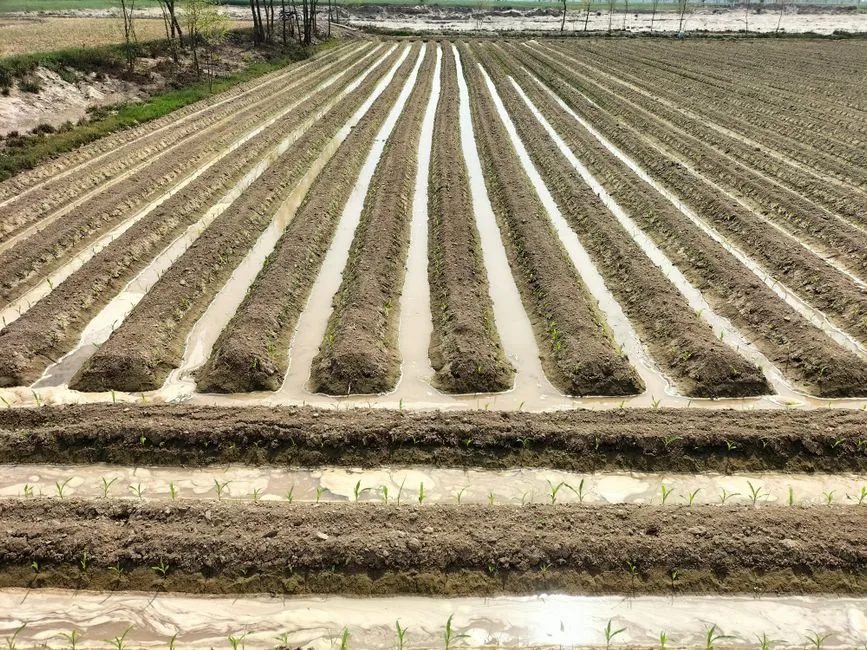
Solar-powered irrigation pumps can reduce operating costs by limiting fuel use and lowering maintenance needs. Farmers with access to sunny seasons tend to stabilize water delivery, which supports crop planning. However, upfront costs and financing terms influence how quickly a farm sees a return.
Long-term savings depend on system sizing, local sunlight, and water demand. Public funding programs or cooperative ownership can spread costs across several households or plots. Readers should weigh local incentives against ongoing maintenance responsibilities.
The environmental payoff includes fewer diesel emissions and reduced air pollution around farming zones. Water use efficiency improves with properly matched pump capacity to field needs. Yet, mis-sizing or poor maintenance can waste energy and water, undermining benefits.
- Lower fuel and maintenance costs
- Stable irrigation for planning
- Community financing can help
Maintenance and safety
Keeping systems reliable and safe
Regular inspections prevent common failures like clogged filters or loose connections. Visual checks and a simple monthly test of the pump’s run-time help catch issues early. Safety comes from proper wiring, appropriate protection against rain, and clear operational guidelines for users.
Effective maintenance minimizes downtime and extends equipment life. Routine tasks can be scheduled during off-peak irrigation windows to avoid stressing crops. Documented service logs support accountability when multiple users share a system.
Training users reduces risk of electric shock or water damage and clarifies responsibility for repairs. Clear labeling and locking mechanisms protect children and curious workers. When in doubt, consult the manufacturer’s safety notes or a qualified technician.
- Schedule regular checks
- Test operation monthly
- Maintain clean filters
- Keep safety labels visible
Budgeting and financing

Costs, subsidies and ownership models
Costs include panels, pump, mounting hardware, wiring, and inverter. Prices vary with capacity and quality, which affects durability and performance. Financing options range from upfront purchase to leasing or cooperative ownership.
Subsidies, grants, or low-interest loans can reduce upfront burden and speed up deployment. Some programs require training or local employment commitments as part of the deal. Ongoing savings help justify the investment over several seasons.
Ownership models matter: individual farms benefit from simple control, while cooperatives spread risk and maintenance across members. Clear agreements on maintenance duties prevent disputes later. Readers should document expected service intervals and cost-sharing terms before committing.
- Initial cost vs. long-term savings
- Financing options and terms
- Shared ownership considerations
- Maintenance cost planning
Future prospects and risks
What to watch as technology evolves
Advances in photovoltaic efficiency and battery storage improve reliability in variable weather. Monitoring software lets owners track performance and detect deviations quickly. As the market matures, standardization may reduce parts scarcity and pricing volatility.
- ☐ Solar pumps suit sunny regions
- ☐ Plan for backup or storage
- ☐ Coordinate with water rights and utilities
The main risks include weather variability, grid connection quality, and water source sustainability. Overreliance on solar without backup can interrupt irrigation during extended cloudy periods. Diversifying energy sources can mitigate this risk.
Policy shifts, supply-chain constraints, and local drought conditions can affect project feasibility. communities should model scenarios across seasons to prepare for changes in water rights and electricity costs. Realistic planning helps prevent stranded assets.
- Improved reliability with storage
- Monitoring enables quick responses
- Market maturity may cut costs
- Diversification reduces risk
Frequently asked questions
Are solar irrigation pumps reliable in all climates?Reliability depends on sunlight, battery or storage options, and system sizing. In regions with consistent sun, solar pumps can perform predictably, but planning should account for cloudy periods and water demand peaks. Seek guidance on storage or backups if your climate has variable weather.
How long does a typical solar irrigation system last?A well-maintained system can perform for many years, with components such as panels and mounting hardware often lasting beyond a decade. Pumps and electronics may require periodic service, and safe operation relies on regular inspections and protective enclosures.
What should I compare when choosing a supplier?Focus on system efficiency, warranty terms, and after-sales service. Compare the availability of local technicians, response times for repairs, and the ease of obtaining replacement parts. A transparent contract helps prevent surprises.
Are there any long-term financial risks to consider?Financing terms, maintenance costs, and potential changes in policy or water rights can affect returns. Model various scenarios over several seasons, including dry spells and price changes for grid or fuel alternatives, to estimate sensitivity.
Conclusion and next steps
The practical takeaway is that solar irrigation pumps can offer meaningful efficiency gains when properly sized and maintained, especially in sunny regions. A careful assessment of water needs, site conditions, and financing options lays the groundwork for a successful rollout. Next, engage with local installers to obtain realistic estimates and milestones.
With a clear plan and community support, readers can move from concept to a functioning system without overextending budgets. Start with a small pilot, document results, and expand as lessons accrue. The goal is steady, predictable irrigation that supports crop yields and resilience.
For more insights on this topic, you might find A practical guide to on-site solar particularly informative.
Readers interested in this subject may also want to explore Practical solar systems for Didim lodging: for additional perspectives.
Readers interested in this subject may also want to explore A practical guide to Aydın solar for additional perspectives.
Add Criticize News as a preferred source on Google


