
How to Access Health Services in London: A Practical Guide
Find the right NHS service in London, from registering with a GP to using NHS 111 or A&E, and learn what to check about eligibility and charges.

To access health services in London, register with a local GP for ongoing and non-urgent care, contact NHS 111 when you need urgent advice but it is not a life-threatening emergency, and go to A&E or call 999 for serious emergencies. Check NHS eligibility and possible charges before treatment, particularly if you are visiting or arranging care abroad.
Your GP practice is usually the starting point for routine problems, referrals and continuing care. London residents can find a practice near home or work, ask how it handles appointments, and use NHS 111 if they are unsure which service fits their symptoms.
The guide below explains the roles of local NHS services, how to register and seek an appointment, and what to consider around eligibility and charges. It also covers practical checks for people comparing non-urgent treatment abroad.
- Register with a nearby GP for routine and ongoing care.
- Use NHS 111 for urgent advice when it is not a life-threatening emergency.
- Call 999 or go to A&E for serious emergencies.
- Check eligibility, possible charges and aftercare before planned treatment.
How London’s health services are organised
Where care usually starts
For most non-emergency health concerns, start with a GP practice rather than going directly to hospital. GPs assess symptoms, manage ongoing conditions, prescribe medicines when appropriate and arrange referrals to other NHS services. Your practice can also explain whether an appointment should be in person, by phone or through its online system.
London has GP practices and NHS hospitals serving neighbourhoods across the city, but the service you need may not be the nearest building. A referral can direct you to a specialist service elsewhere, while urgent treatment centres and walk-in services have their own roles. Check the service’s current information before travelling.
Pharmacies can advise on common, minor conditions and explain how to use some medicines safely. For concerns that cannot wait for a routine GP appointment but are not an immediate emergency, NHS 111 can assess the situation and direct you to appropriate care. The right starting point depends on urgency and symptoms.
Planning care beyond London
If you are considering non-urgent treatment abroad, first ask what care you need and whether a clinician has recommended a particular option. Compare the proposed treatment, follow-up arrangements and records you will receive, rather than judging the decision on a headline estimate alone. Confirm what happens if your recovery needs further attention after returning to London.
Treatment abroad may involve travel, accommodation and follow-up costs as well as the quoted clinical fee. Before making arrangements, check who is responsible for aftercare, how complications would be handled and whether your NHS care could be affected. Ask your GP for advice about medical records and continuity of care, without assuming they can endorse a provider.
For someone comparing a non-urgent treatment estimate abroad with options at home, güncel döviz kurları can help put the currency context in view before weighing the clinical plan, aftercare and travel arrangements. Exchange rates do not show the full cost of treatment, so use them only as one part of a broader comparison.
How to register with a GP and get an appointment

Finding a local practice
Use the NHS service finder to look for GP practices near your London home or workplace, then check which practices are accepting registrations and how to apply. A practice’s catchment area can affect whether it can accept you, so confirm this directly rather than relying only on distance or a map result.
Registration forms commonly ask for your contact details and information needed to identify you, but practices should explain their own process. Ask what documents they require and what to do if you cannot provide a particular item. Do not delay seeking urgent help while sorting out registration paperwork.
Once registered, find out how the practice offers appointments and what to do when it is closed. Some practices let patients request care online or by phone, while others use different systems. Keep its contact details accessible and tell staff if your phone number or address changes, so they can reach you.
- Search the NHS service finder for nearby practices.
- Check catchment boundaries and registration availability.
- Ask the practice about its application and document requirements.
- Save its appointment and out-of-hours instructions.
Requesting the right appointment
When you contact your GP, describe the main symptom, when it began and whether it is getting worse. Mention relevant conditions, medicines and any changes that concern you, so staff can direct your request appropriately. If you have difficulty communicating by phone, ask the practice about alternatives or accessibility support.
A practice may offer a phone consultation, an online response or an in-person appointment, depending on your needs and its process. Explain if an examination would be important or if you cannot manage a remote appointment. If symptoms become urgent while you are waiting, contact NHS 111 or use emergency services as appropriate.
Prepare a short list of questions and medicines before speaking with a clinician, and note any advice or follow-up plan. If the problem continues or changes after the appointment, contact the practice again and explain what has happened. A referral is not automatic; ask what the next step is if you are still concerned.
Choosing between a GP, NHS 111 and A&E
Matching care to urgency
Use a GP for routine concerns, ongoing conditions and problems that need assessment but are not an emergency. NHS 111 is for urgent health needs when you are unsure where to go or cannot wait for routine care; it can advise on the next step. Call 999 or go to A&E for a serious or life-threatening emergency.
- Identify whether the problem is an emergency.
- Call 999 or go to A&E for serious emergencies.
- Contact NHS 111 for urgent advice when it is not an emergency.
- Use your GP for routine and continuing care.
A&E departments are designed for emergencies, not as a faster route for routine appointments or minor problems that can be treated elsewhere. If you are unsure, NHS 111 can help assess what service is suitable. If someone is seriously ill or injured, do not delay emergency help while trying to arrange a GP appointment.
If you are comparing an overseas treatment estimate while deciding what to do about non-urgent care, an euro TL döviz çevirici may help convert the amount into euros for comparison. Currency conversion cannot indicate whether a treatment is suitable or urgent, so ask a clinician about health needs before making financial comparisons.
- Routine or ongoing concern: contact your GP.
- Urgent, uncertain need: contact NHS 111.
- Serious or life-threatening emergency: call 999 or go to A&E.
| Service | Best suited to | How to access |
|---|---|---|
| GP | Routine and ongoing care | Contact your registered practice |
| NHS 111 | Urgent needs, uncertain destination | Phone or online |
| A&E or 999 | Serious or life-threatening emergencies | Attend A&E or call 999 |
What NHS 111 can do
Contact NHS 111 when you need medical help quickly but your situation does not appear life-threatening, or when you are unsure which service to use. You can access the service by phone or online, and the appropriate route depends on your circumstances. Follow the instructions provided and seek emergency help if the situation becomes critical.
NHS 111 will ask about the health problem and may direct you to a suitable service, such as an urgent treatment option or a clinician. It is not a replacement for 999 in a life-threatening emergency. Give clear details about symptoms, relevant conditions and any immediate changes during the assessment.
If the advice is to attend a service, check its location, opening arrangements and any instructions before setting out. If symptoms worsen or you cannot follow the recommended plan, contact NHS 111 again or seek emergency help as appropriate. For a continuing, non-urgent problem, arrange follow-up with your GP.
NHS access and charges can depend on the service, your circumstances and the rules that apply to your care.
What to know about NHS eligibility and charges

Understanding access and costs
NHS access and charges can depend on the service, your circumstances and the rules that apply to your care. Do not assume every service is free in every situation, or that being registered with a GP settles eligibility for all hospital treatment. Ask the provider or relevant NHS service what applies before planned care.
- ☐ Confirm the service you need.
- ☐ Ask whether charges may apply.
- ☐ Check eligibility and any exemption evidence.
- ☐ Seek emergency help without waiting for documents.
Some services, including prescriptions and dental care, may have separate charge rules or exemptions. If a charge could apply, ask how to check eligibility and what evidence is needed before you receive the service. Rules can vary across the UK, so use current official guidance rather than relying on another person’s experience.
If you are visiting London or have recently moved, tell the service about your circumstances and ask what information it needs to assess eligibility. Keep any relevant documents available, but ask whether they are required rather than delaying necessary care. For emergency needs, seek help promptly and address questions about charges with the service.
- Ask whether the specific service may charge.
- Check which exemptions or evidence apply to you.
- Use current official NHS guidance for the relevant UK nation.
- Do not delay emergency care over paperwork.
Questions before planned treatment
Before agreeing to planned treatment, ask what it involves, what alternatives are available and what follow-up is expected. Clarify which provider will deliver each part of the care and whom to contact if symptoms change afterwards. A clear written plan can help you understand appointments, medicines and next steps.
If treatment is proposed outside the NHS or abroad, establish what is included in the quoted care and what is not. Ask about aftercare, medical records, possible complications and arrangements when you return to London. Do not assume an NHS GP or hospital will automatically provide follow-up for treatment arranged elsewhere.
For NHS care, ask the referring clinician or service how decisions about referrals, waiting arrangements and eligibility are handled in your circumstances. Keep copies of referral information and correspondence, and raise any change in your health with a clinician. If you need urgent advice while waiting, use NHS 111 or emergency services according to the severity.
Planning non-urgent treatment abroad
Check NHS Referral Options
Before arranging planned treatment overseas, ask your GP or specialist whether the care is clinically appropriate and what follow-up you may need in London. NHS treatment pathways and funding rules depend on your circumstances, the treatment and where you plan to receive it. Do not assume that a recommendation or referral automatically means the NHS will pay for care abroad.
Request copies of relevant test results, diagnosis details and medication information from your London care team, and ask how to share them securely with the overseas provider. Clarify who will manage complications after you return, including whether your local NHS team can provide follow-up. Keep the answers in writing so you can check arrangements before committing.
If an overseas provider quotes a fee in dollars, checking bugün dolar kaç TL can help you understand the amount in Turkish lira before comparing costs. Treat any exchange-rate conversion as an estimate, since the rate applied to a card payment or transfer may differ. Confirm the provider's currency, payment deadline and refund terms directly before booking.
Assess Provider and Travel Safety
Check that the overseas hospital or clinic is appropriately regulated where it operates, and ask which clinician will perform the treatment. Request a written outline of the procedure, expected recovery, possible complications and the arrangements for urgent care. A clear answer should identify who is responsible at each stage, not simply promise that support will be available.
Consider whether travel is safe both before treatment and during recovery, especially if you may need help moving around or have a higher risk of complications. Ask the treating clinician when you can fly and what precautions are needed. Your London GP can advise on existing conditions and medicines, but may not be able to assess the overseas provider's clinical plan.
Arrange records and prescriptions early, and check whether medicines you take can be carried legally and stored during travel. Make sure you know how to contact the provider after returning to London, including outside ordinary clinic hours. If you develop a serious problem abroad, use local emergency services; once back in London, seek care through the appropriate NHS service.
Checking costs and payment arrangements

Confirm What Is Included
Ask for an itemised written estimate before agreeing to non-urgent care, whether it is private treatment in London or treatment overseas. Check whether the amount covers consultations, tests, the procedure, medicines and follow-up appointments. A headline fee may exclude services you will need, so ask the provider to explain every item and identify which charges could change.
For NHS care, ask the relevant service whether charges apply in your circumstances and how the decision is made. Eligibility can depend on factors such as ordinary residence and the type of care, so do not rely on assumptions based only on nationality or address. If a charge is proposed, request an explanation of what it covers and how to query it.
Make sure payment arrangements are clear before a procedure is scheduled. Ask when deposits or balances are due, which payment methods are accepted, and what happens if treatment is postponed or cancelled. Keep estimates, invoices and written replies together; they can help resolve a dispute about what was agreed or show a London clinician what treatment you received.
Understand Insurance and Refunds
If you plan to use insurance, contact the insurer before treatment and ask for written confirmation that the specific care is covered. Check whether you need pre-authorisation, a referral or treatment from a named provider. A general statement that a policy includes medical cover is not enough to establish that a planned procedure or complication will be paid for.
Read the policy conditions for exclusions, excesses and claims deadlines, and ask how to submit records from an overseas provider. Confirm whether emergency treatment and follow-up after returning to London are treated separately. Keep receipts, clinical reports and proof of payment, because an insurer may need these documents to assess a claim.
Before paying a deposit, read the cancellation and refund terms for both the clinic and any related travel arrangements. Ask what happens if a clinician advises against travel, your condition changes, or the provider reschedules treatment. If you are unsure about a bill or eligibility decision for NHS care, contact the service that issued it and ask how to raise a query.
Avoiding common problems when arranging care
Keep Referrals and Records Moving
When a London GP refers you to a hospital, ask what should happen next and how you will be contacted about an appointment. Check that the practice has your current phone number and address, and follow up if an expected letter or call does not arrive. If your symptoms worsen while waiting, contact your GP practice or NHS 111 rather than waiting silently for a routine appointment.
- Assuming a referral has arrived; ask the practice or hospital to confirm its status.
- Leaving outdated contact details on file; update your GP and the hospital service.
- Waiting through worsening symptoms; seek advice from your GP or NHS 111.
Share relevant medical history, allergies and current medicines with every clinician involved in your care. If you have test results or discharge letters from treatment elsewhere, ask how the receiving service would like to see them. Missing information can lead to repeated tests or delays, while an accurate medication list helps clinicians make safer decisions.
Keep a simple record of referral dates, appointment details and the names of services you have contacted. If a referral appears to have gone to the wrong service, contact the referring practice and ask it to confirm where it was sent. For an appointment at a London hospital, follow the service's instructions about arrival, check-in and what to bring.
Use the Right Urgent Route
A&E is for serious or life-threatening emergencies, not for problems that can safely wait for a routine appointment. For an urgent concern that is not an emergency, NHS 111 can direct you to an appropriate service, which may include an urgent treatment centre or another local option. Call 999 when someone needs immediate emergency help.
If you are unsure where to go, describe the symptoms clearly and mention when they began, whether they are getting worse and any relevant medical conditions. Follow the advice given rather than travelling across London to a hospital without checking whether it can provide the care you need. The right route can reduce unnecessary waits and get you to a suitable clinician sooner.
Do not use NHS 111 as a substitute for emergency help when a person is in immediate danger. If symptoms change after receiving advice, contact the service again or use the emergency route appropriate to the new situation. For a non-urgent issue, your GP practice remains a useful starting point and can arrange assessment or referral when needed.
Practical steps to prepare for an appointment
Gather Useful Health Information
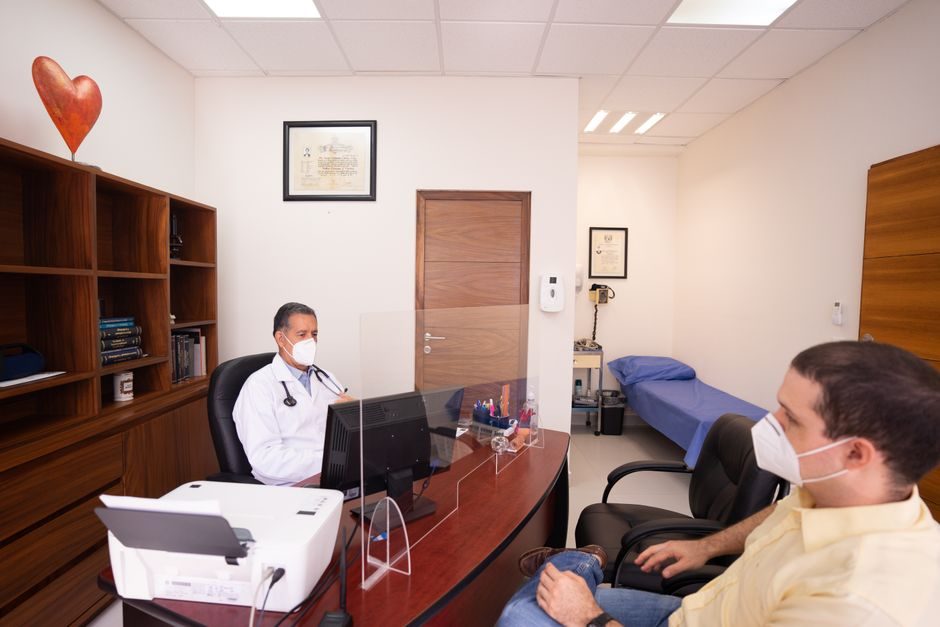
Before an appointment, write down your main concern, when it started and what makes it better or worse. Note any symptoms that have changed, treatments you have tried and questions you want answered. A brief, organised account helps a GP or hospital clinician understand the problem without leaving important details until the end of the consultation.
Bring or prepare an up-to-date list of medicines, including doses if you know them, and mention allergies or past reactions. Include medicines bought without a prescription and any supplements, since these can affect treatment decisions. If another service has given you test results or a discharge summary, ask whether to bring a copy or send it in advance.
Check the appointment letter or message for the location, arrival instructions and any preparation required, such as fasting or bringing a sample. Do not guess if the instructions are unclear; contact the practice or hospital team to confirm. For a London appointment, leave time for travel disruption and check current transport information before setting out.
- Write down symptoms and questions.
- Prepare a current medicine and allergy list.
- Check the appointment instructions and location.
- Bring relevant letters or test results.
Make the Conversation Clear
At the appointment, explain what matters most to you and ask the clinician to clarify any unfamiliar terms. If you do not understand a recommendation, ask what it involves, what alternatives exist and what could happen if you wait. You are entitled to discuss options and should not feel pressured to agree before you understand the plan.
Tell the clinician if language, hearing, mobility or communication needs could make the appointment difficult. Contact the practice or hospital in advance to ask what support can be arranged, rather than assuming it will be available automatically. If you bring someone for support, check whether the service allows them to join the consultation and whether you want them present.
Before leaving, confirm the next step, who will contact you and what to do if your symptoms worsen. Ask how to obtain a copy of results or instructions and whether a follow-up appointment is already arranged. If a medicine is prescribed, make sure you understand how to take it and whom to contact about side effects or concerns.
Frequently asked questions
Can I register with a GP if I do not have proof of address?A GP practice should consider an application even if you cannot provide proof of address or identification. Practices may ask for documents, but a lack of them should not by itself prevent you from applying. Contact a nearby practice to ask how it handles registration and what information it needs. If you have difficulty registering, NHS 111 can help direct you to local advice.
What should I do if I cannot attend an NHS appointment?Contact the practice or hospital as soon as you know you cannot attend, using the contact details in your appointment message. Ask to cancel or rearrange, and check whether you need a new referral or whether the service will contact you with another date. Giving notice can help the service offer the appointment to someone else and reduce the risk of your care being delayed.
Can I ask for an interpreter at an NHS appointment?Tell your GP practice or hospital team about your language needs when booking, and ask what interpretation support can be arranged. Avoid relying on a child to interpret clinical information, since important details may be misunderstood and the child may find the role difficult. If the appointment is soon and arrangements are unclear, contact the service before travelling to confirm what support will be available.
How can I get my NHS test results?Ask the clinician who arranged the test how and when results will be shared, and whether you should book a follow-up appointment. The route may differ between a GP practice and a hospital clinic, so do not assume that no message means the result is normal. If the expected contact does not arrive, get in touch with the service that ordered the test and ask what to do next.
Your next step to getting care
Start with the service that fits the urgency of your need: a GP practice for ongoing or routine concerns, NHS 111 for urgent advice that is not an emergency, and 999 or A&E for serious emergencies. For planned care abroad or private treatment, check clinical follow-up, eligibility, written costs and payment terms before committing. Keeping your records and contact details up to date makes each handover easier.
For a current health concern, contact your GP practice or use NHS 111 to find the appropriate local service. Before an appointment, prepare your symptom notes, medicine list and questions, then confirm the location and any instructions. If care is being arranged overseas, speak with your London clinician and obtain written answers about aftercare and costs before booking travel or treatment.
Add Criticize News as a preferred source on Google


