
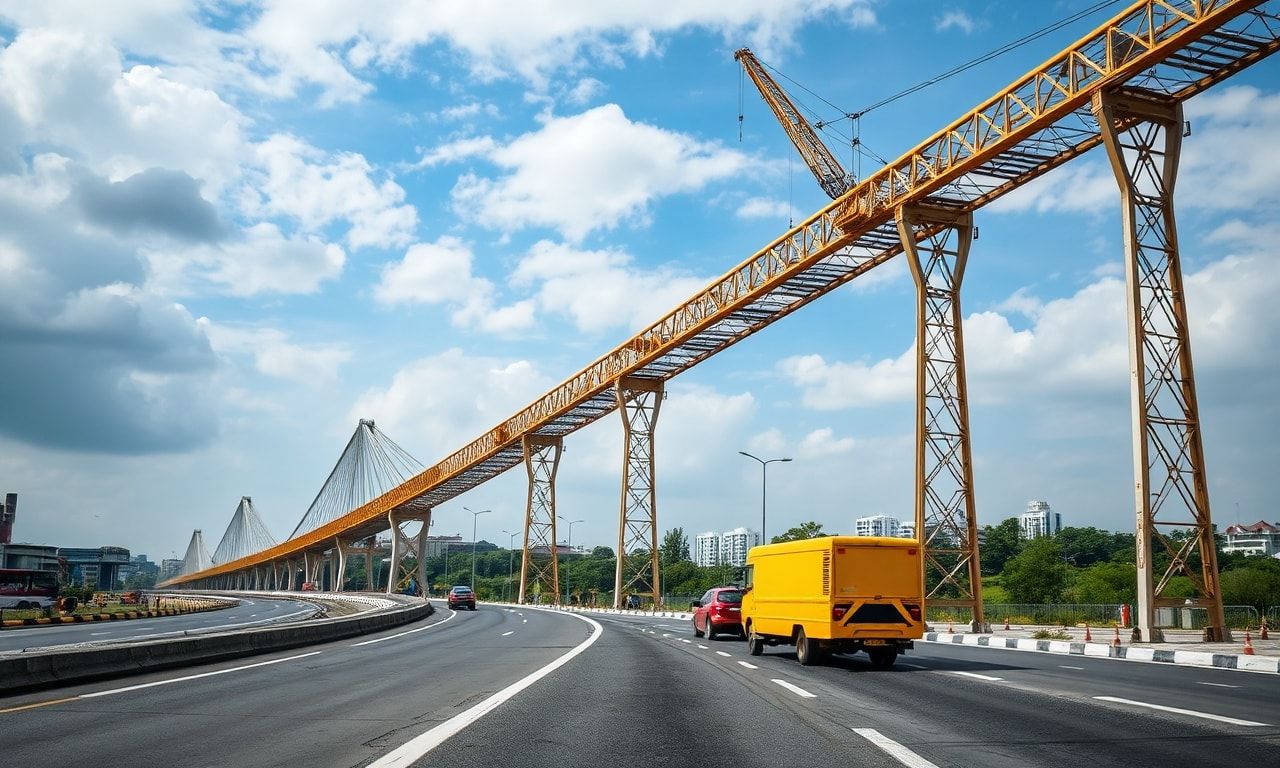
The State of Global Infrastructure
The world is witnessing an unprecedented wave of infrastructure development, with projects that promise to reshape economies and connect communities. From towering skyscrapers to extensive transportation networks, these endeavors are not just about physical structures but also about fostering growth and innovation. As nations compete to outdo each other, the focus on sustainable and technologically advanced infrastructure has become paramount.
Asia’s Rapid Expansion
Asia continues to lead the charge in infrastructure development. China’s Belt and Road Initiative, a massive undertaking aimed at reviving the ancient Silk Road, is perhaps the most ambitious project of the century. This initiative involves over 60 countries and includes a network of railways, ports, and highways that will span thousands of miles. Similarly, India’s Sagarmala project, which focuses on port-led development, is set to transform the country’s maritime sector and boost economic growth.
In Southeast Asia, the development projects update from Newspaws highlights the rapid urbanization and infrastructure advancements in countries like Vietnam and Indonesia. These projects are crucial for supporting the region’s burgeoning economies and improving the quality of life for millions of people.
Europe’s Sustainable Initiatives
Europe, on the other hand, is focusing on sustainability and green infrastructure. The European Green Deal, a comprehensive plan to make the EU climate-neutral by 2050, includes significant investments in renewable energy, electric transportation, and smart cities. Projects like the Fehmarn Belt Tunnel, connecting Denmark and Germany, and the Brenner Base Tunnel, linking Italy and Austria, are set to revolutionize cross-border travel and trade.
The Americas: Innovation and Connectivity
The Americas are also making strides in infrastructure development. In the United States, the Infrastructure Investment and Jobs Act, signed into law in 2021, allocates over $1 trillion to modernize roads, bridges, and public transportation systems. This legislation aims to address the country’s aging infrastructure and create jobs while promoting economic growth.
In Latin America, Brazil’s Transcontinental Railway, a project that will connect the Atlantic and Pacific Oceans, is expected to boost trade and economic development. Similarly, Mexico’s Maya Train, a tourist train that will traverse the Yucatan Peninsula, aims to promote cultural heritage and economic opportunities in the region.
Africa’s Emerging Projects
Africa is home to some of the most ambitious infrastructure projects in the world. The Grand Ethiopian Renaissance Dam, once completed, will be the largest hydroelectric power plant in Africa, providing much-needed electricity to the region. The Lagos-Calabar Coastal Railway in Nigeria, spanning over 1,400 kilometers, will connect major cities and improve transportation networks.
Challenges and Considerations
Despite the promise of these projects, significant challenges remain. Funding, environmental concerns, and political instability are just a few of the hurdles that need to be addressed. Ensuring that these projects are sustainable and inclusive is crucial for their long-term success. Collaboration between governments, private sectors, and international organizations will be key in overcoming these challenges.
As the world continues to evolve, infrastructure development will play a pivotal role in shaping the future. By focusing on sustainability, innovation, and inclusivity, these projects can drive economic growth, improve quality of life, and foster global connectivity.